

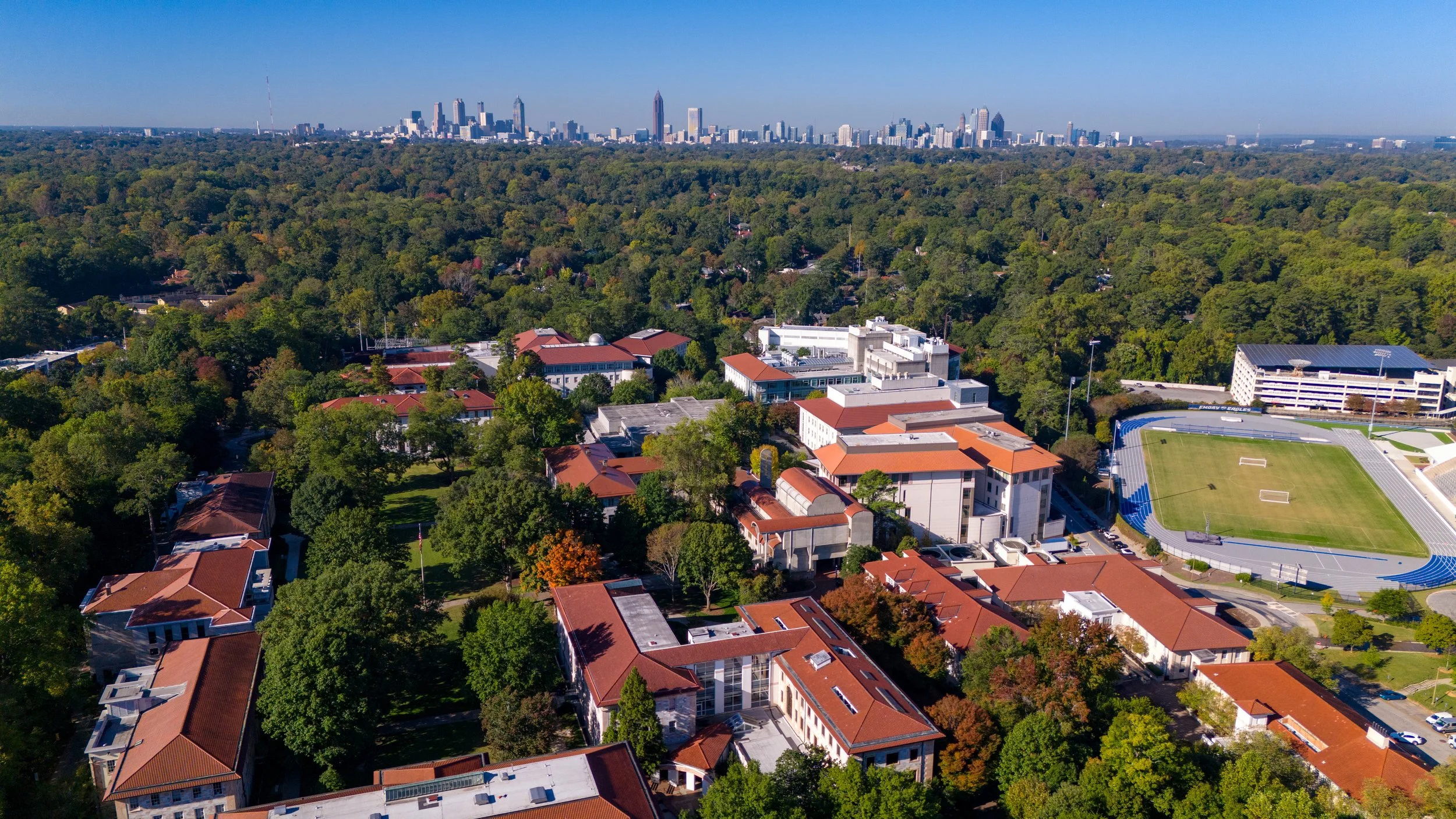
Photo credit Emory EPV
Where I found it
When I joined Emory's Communications & Marketing team, a brand refresh was already 75% complete, handed off from an outside agency, waiting to land. What wasn't visible from the outside was everything underneath: a creative team historically asked to execute without enough information, fielding direction from multiple stakeholders pulling toward different goals, and operating without the systems that would let them do their best work. They weren't struggling because they lacked talent. They were struggling because no one had built them a foundation.
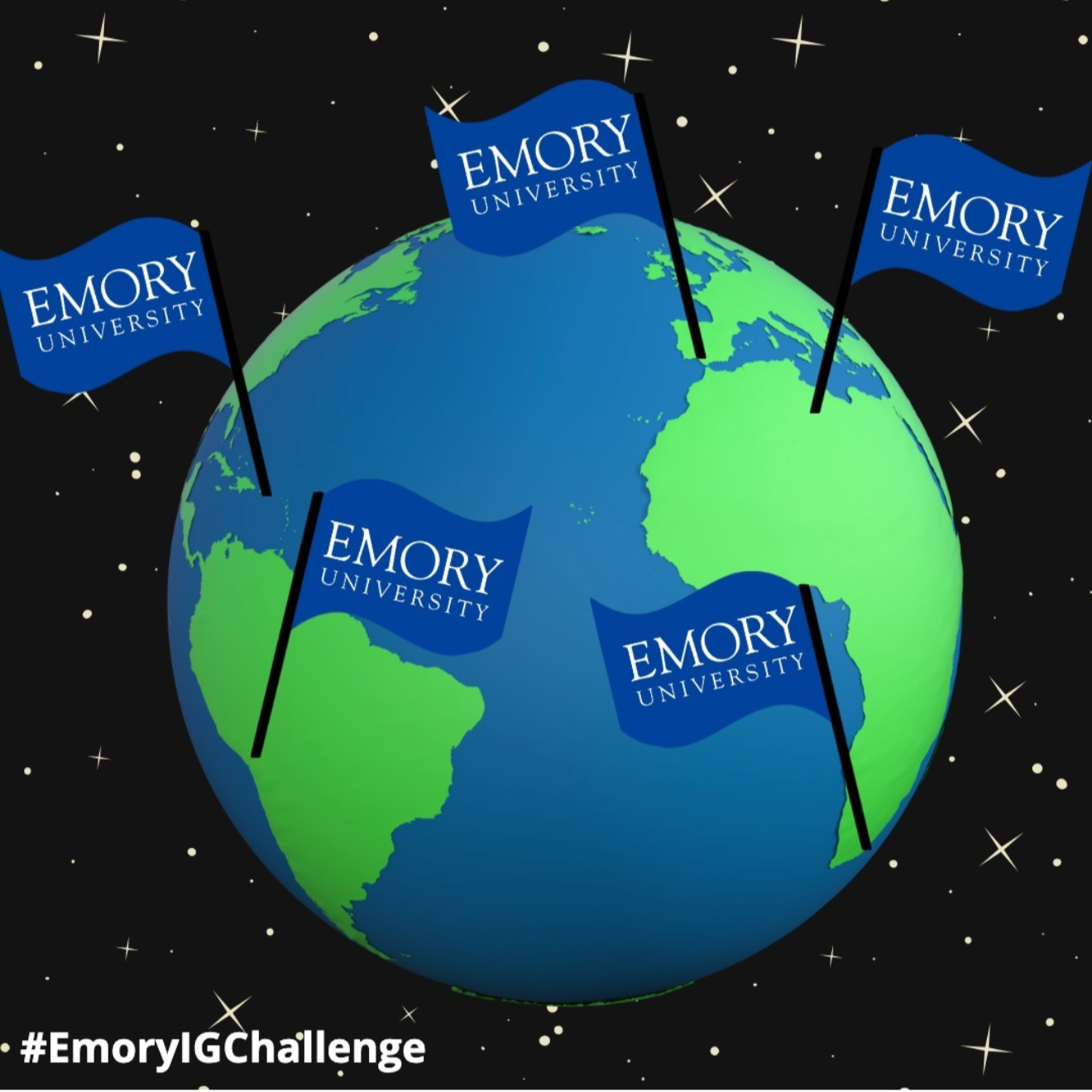
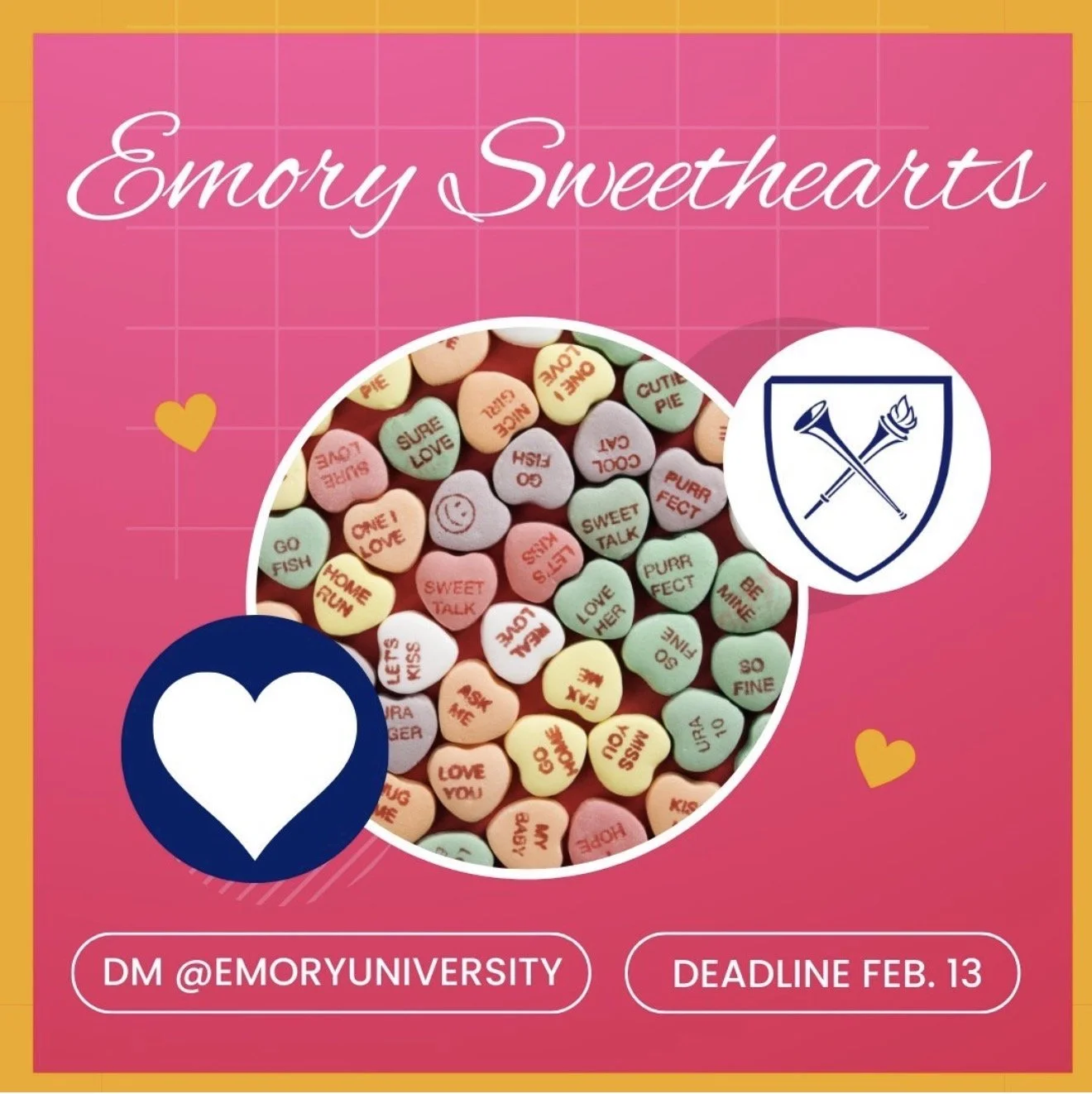
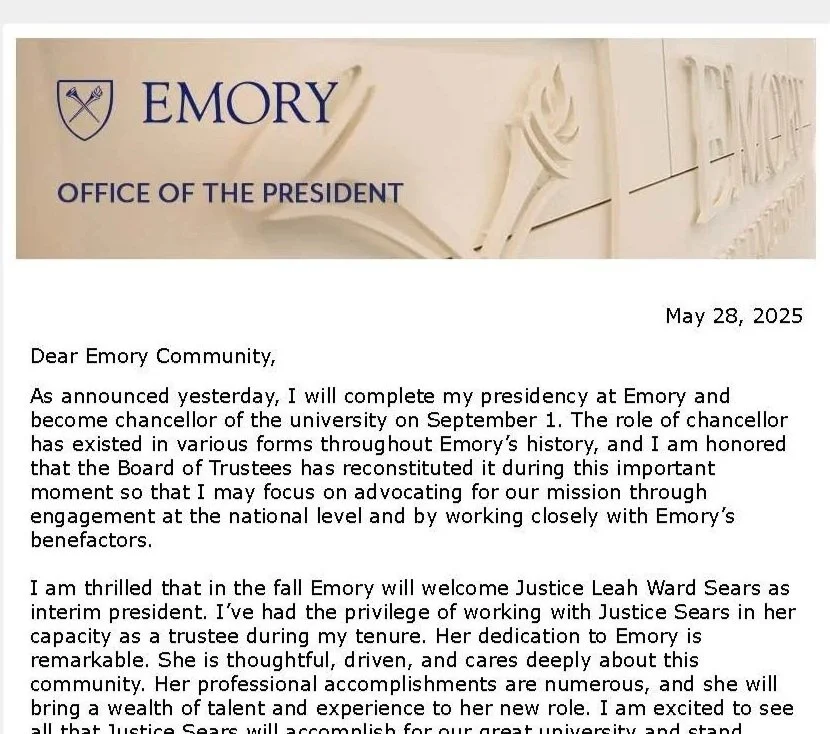
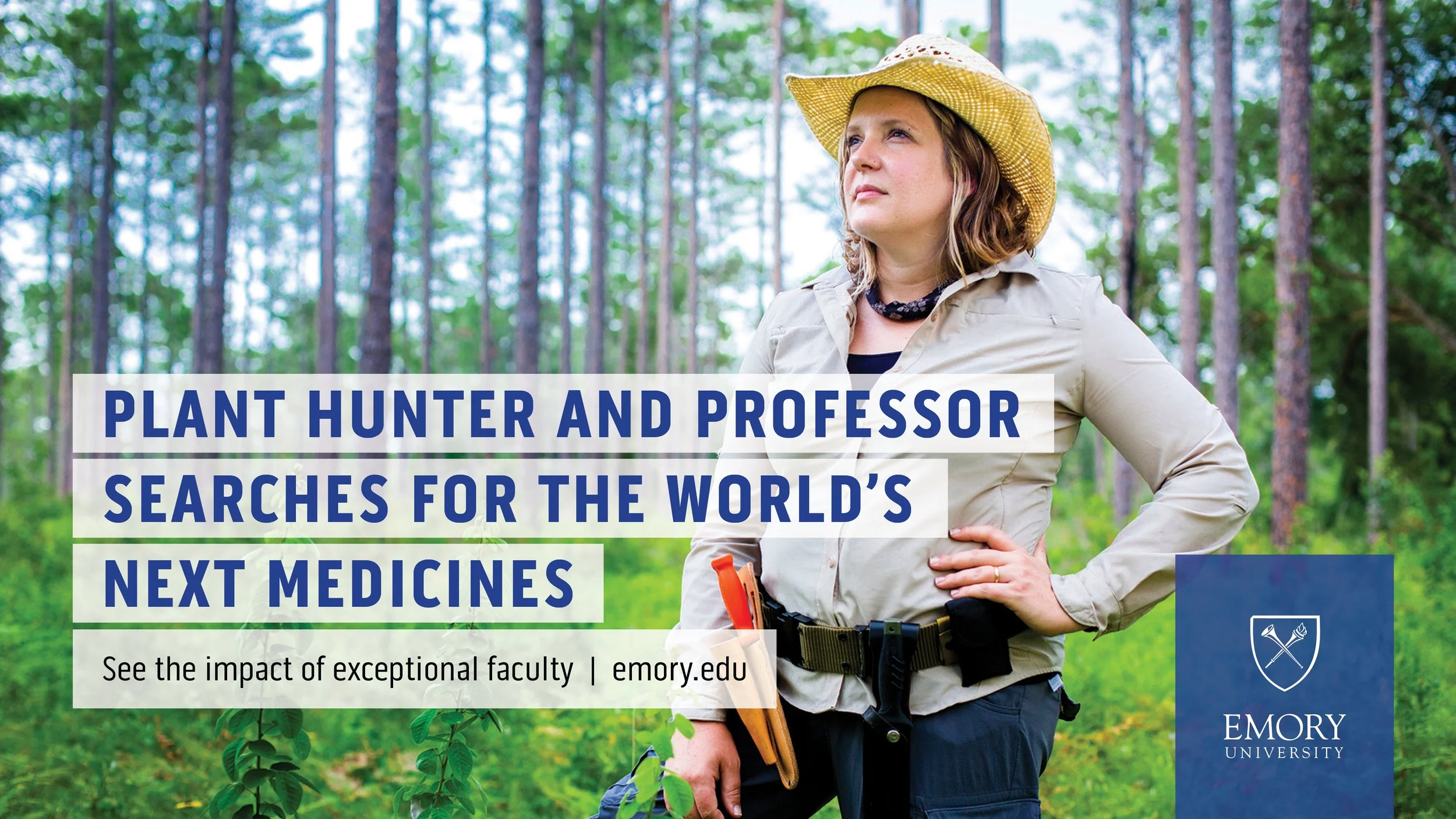
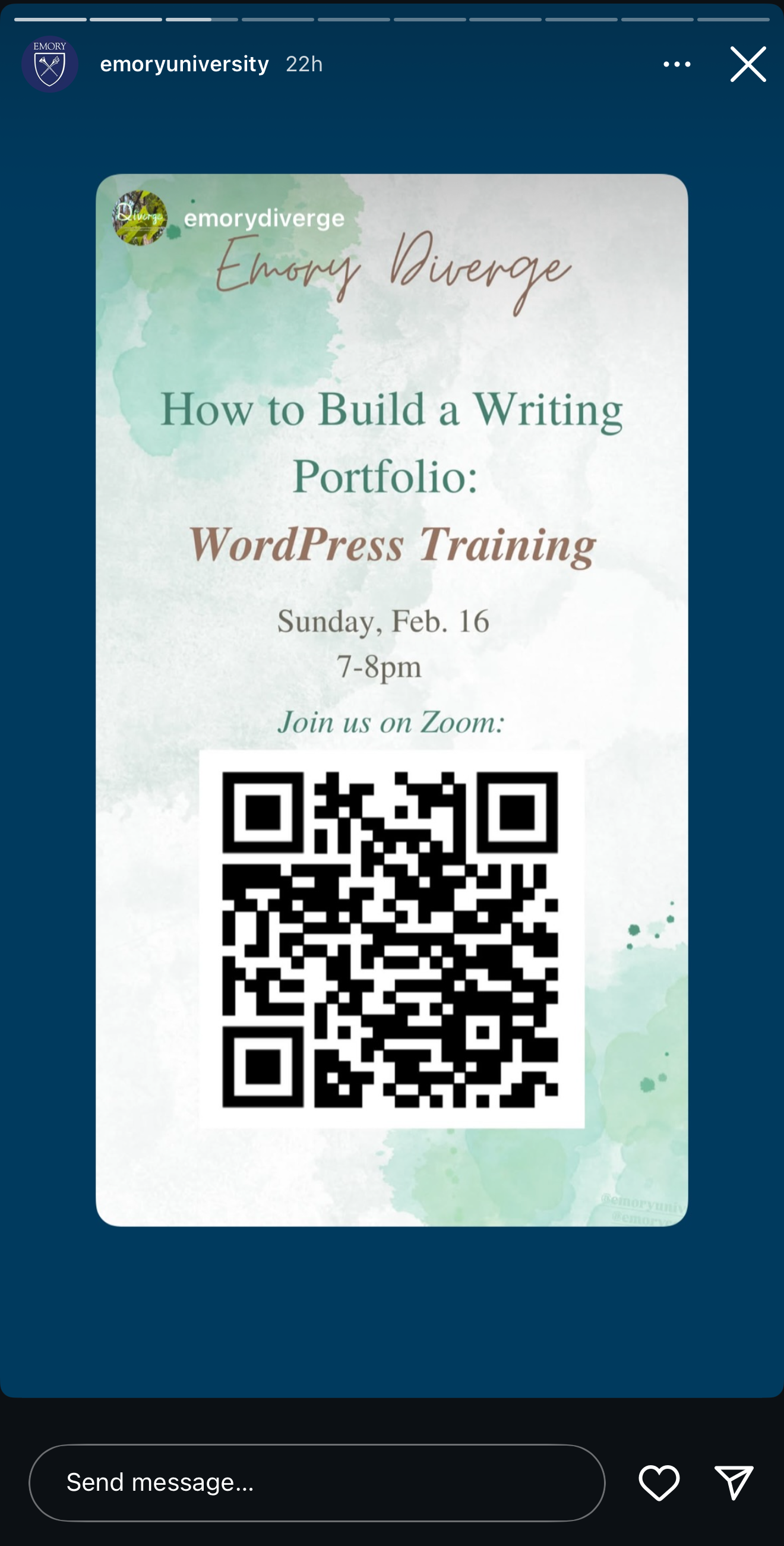
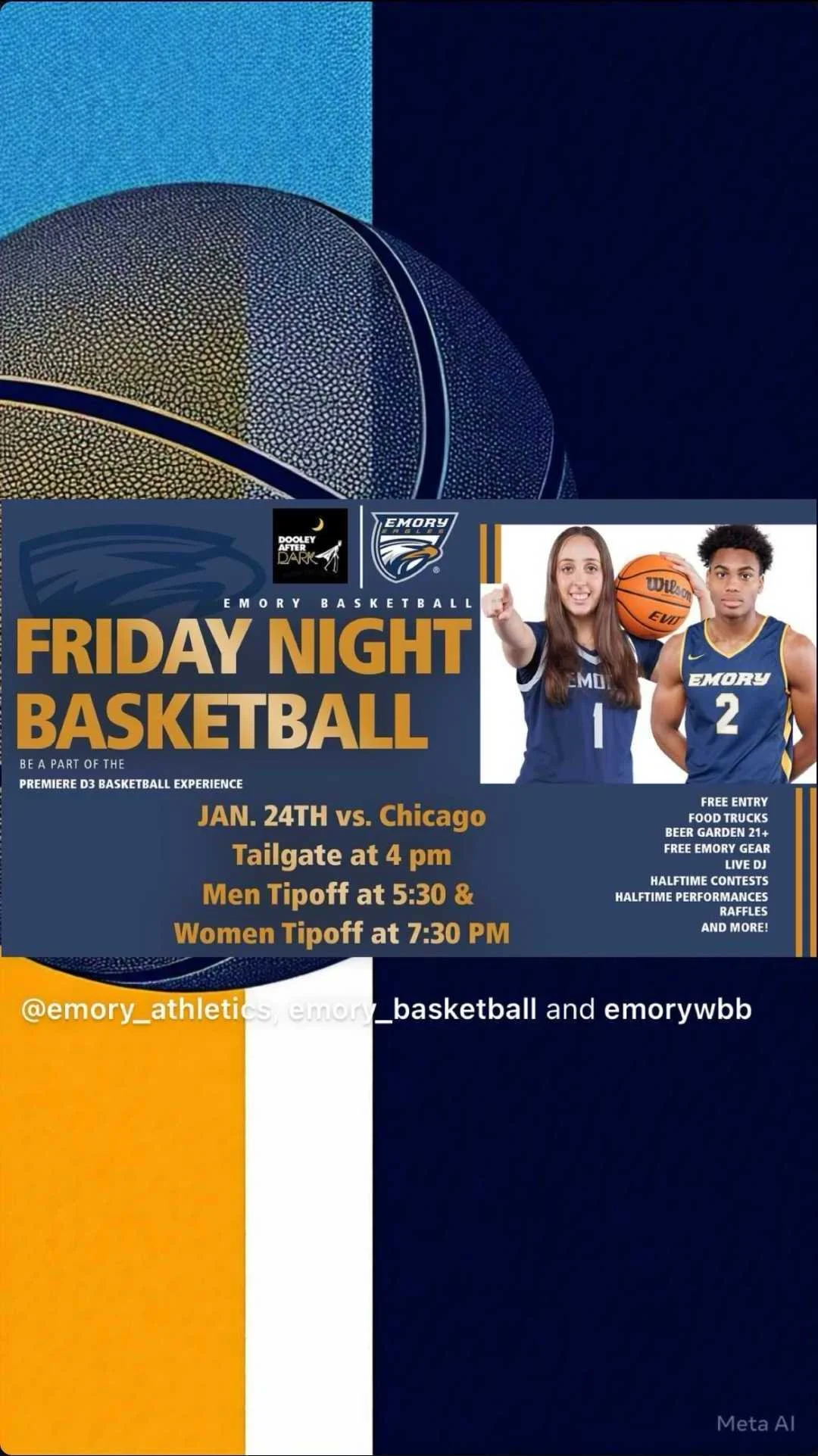
Examples of work from before:
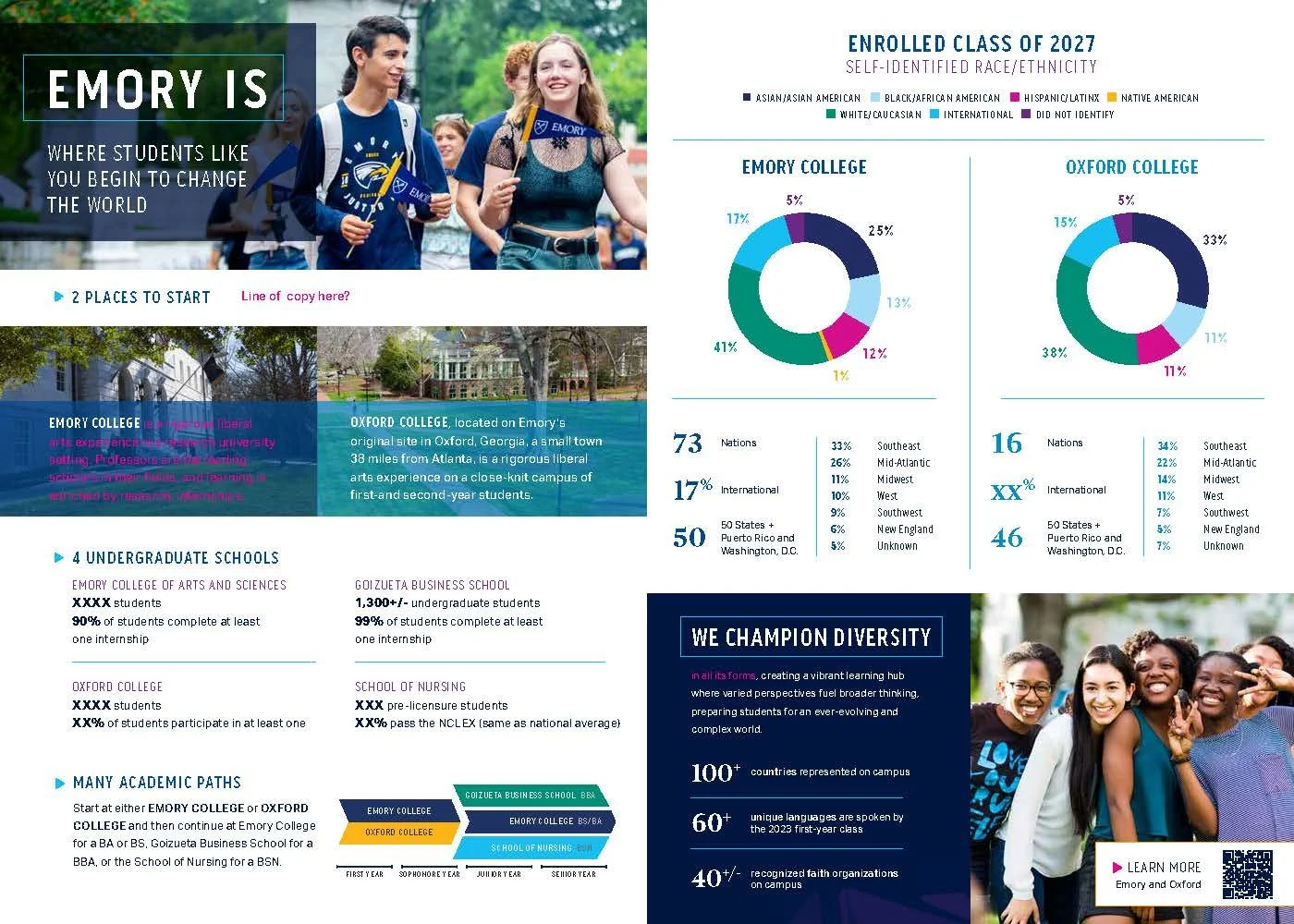
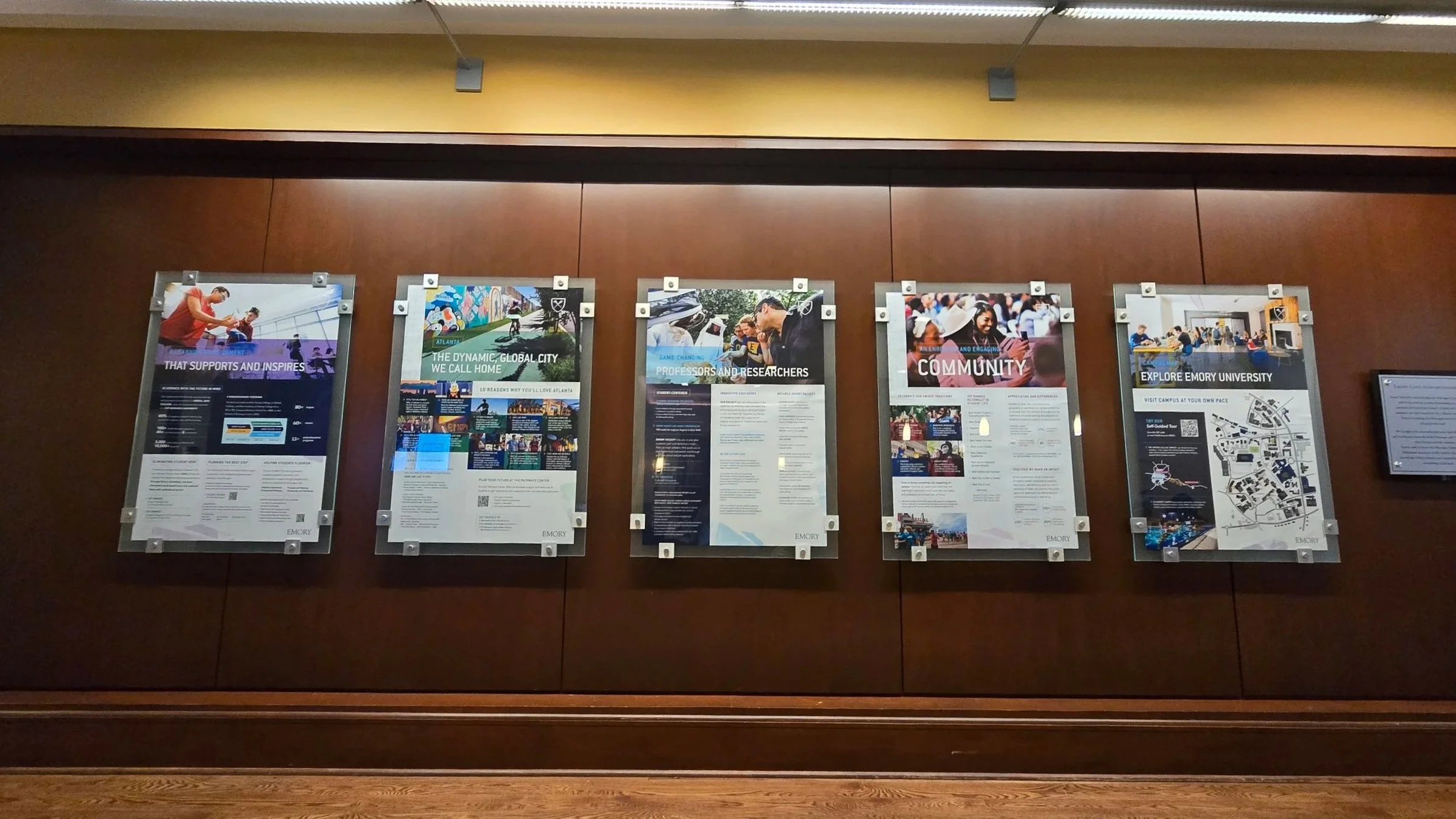
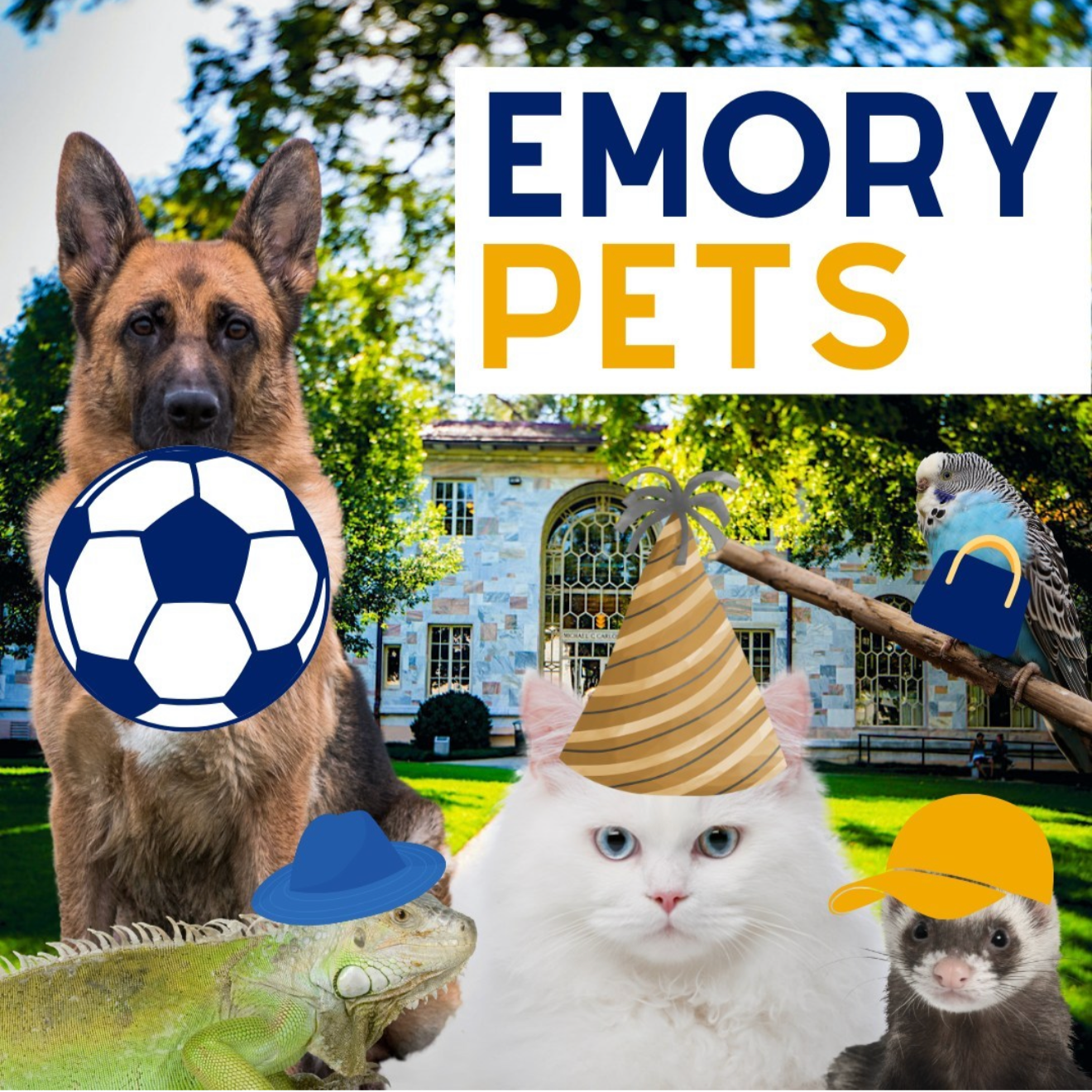
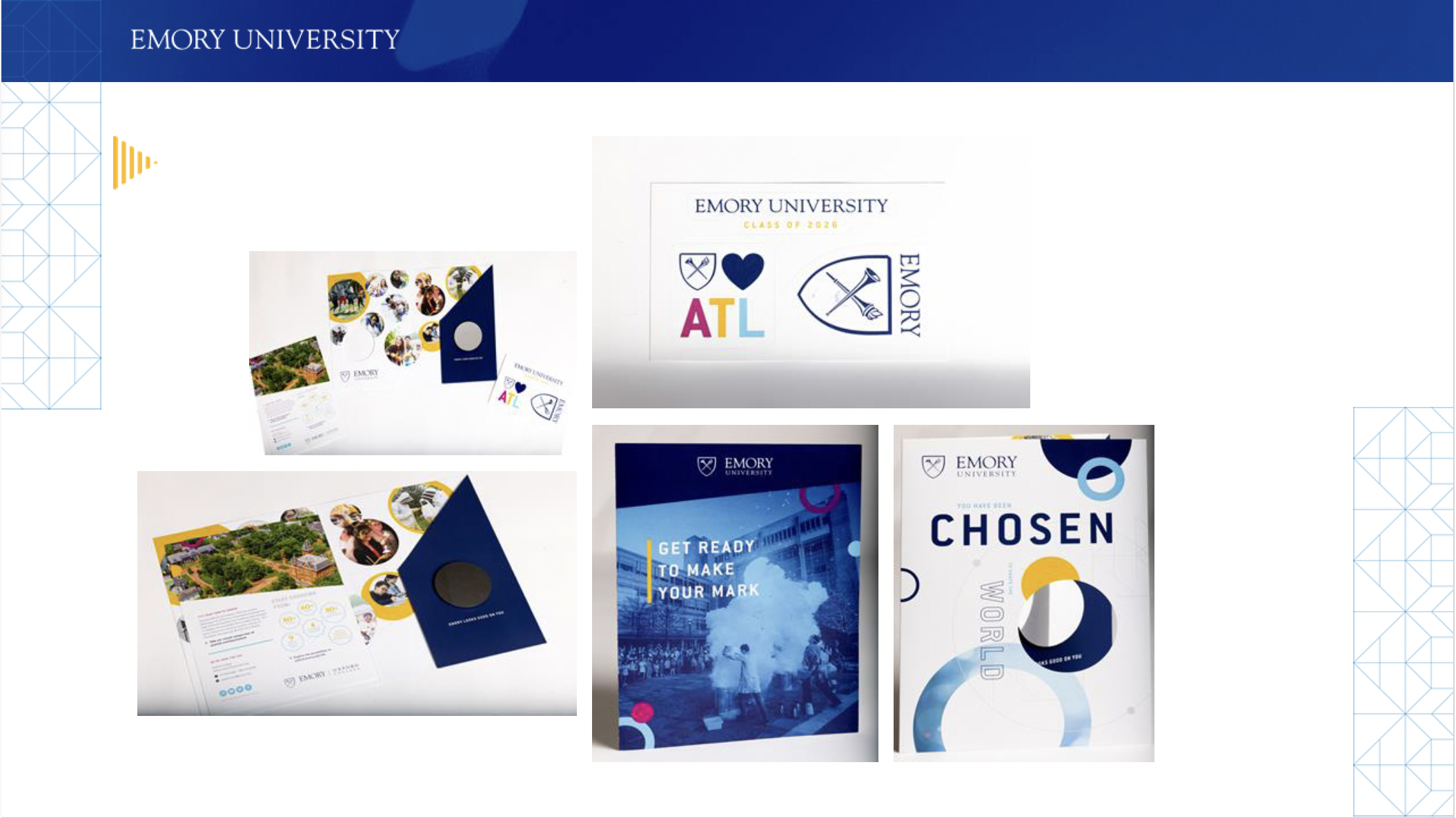
What I built first
Before anything could get better creatively, the infrastructure had to exist. I rewrote the creative brief, redesigned the entire project intake process, and built an asset management system from the ground up. Now, it’s organized, named, and structured to survive turnover, new hires, and growth. I introduced Figma and UX thinking to a team that hadn't worked that way before. I created processes that told designers exactly what information they needed before starting, so that "nailing it on the first try" became possible rather than rare. And I hired digital-first talent intentionally, not to replace the print-first foundation already there but to create the kind of cross-pollination where both sides get sharper.
I brought my background, knowledge, and research directly into the work, making data-backed cases for things like stripping fully designed headers from email templates so the actual message lands above the fold. It's a small change that now touches every email the division sends.
The goal was simple: free the designers from the chaos so they could actually think.
What happened when they could breathe
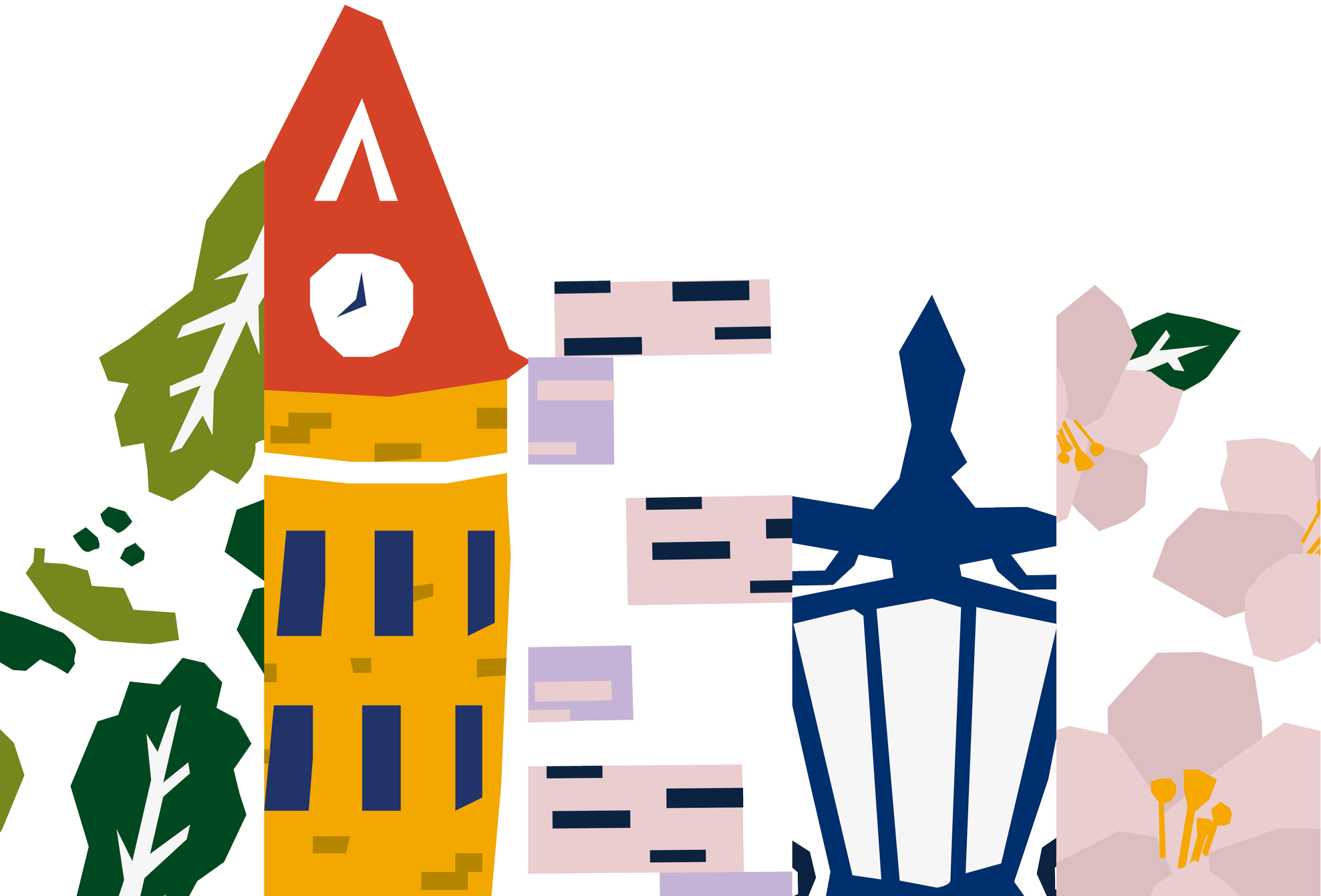
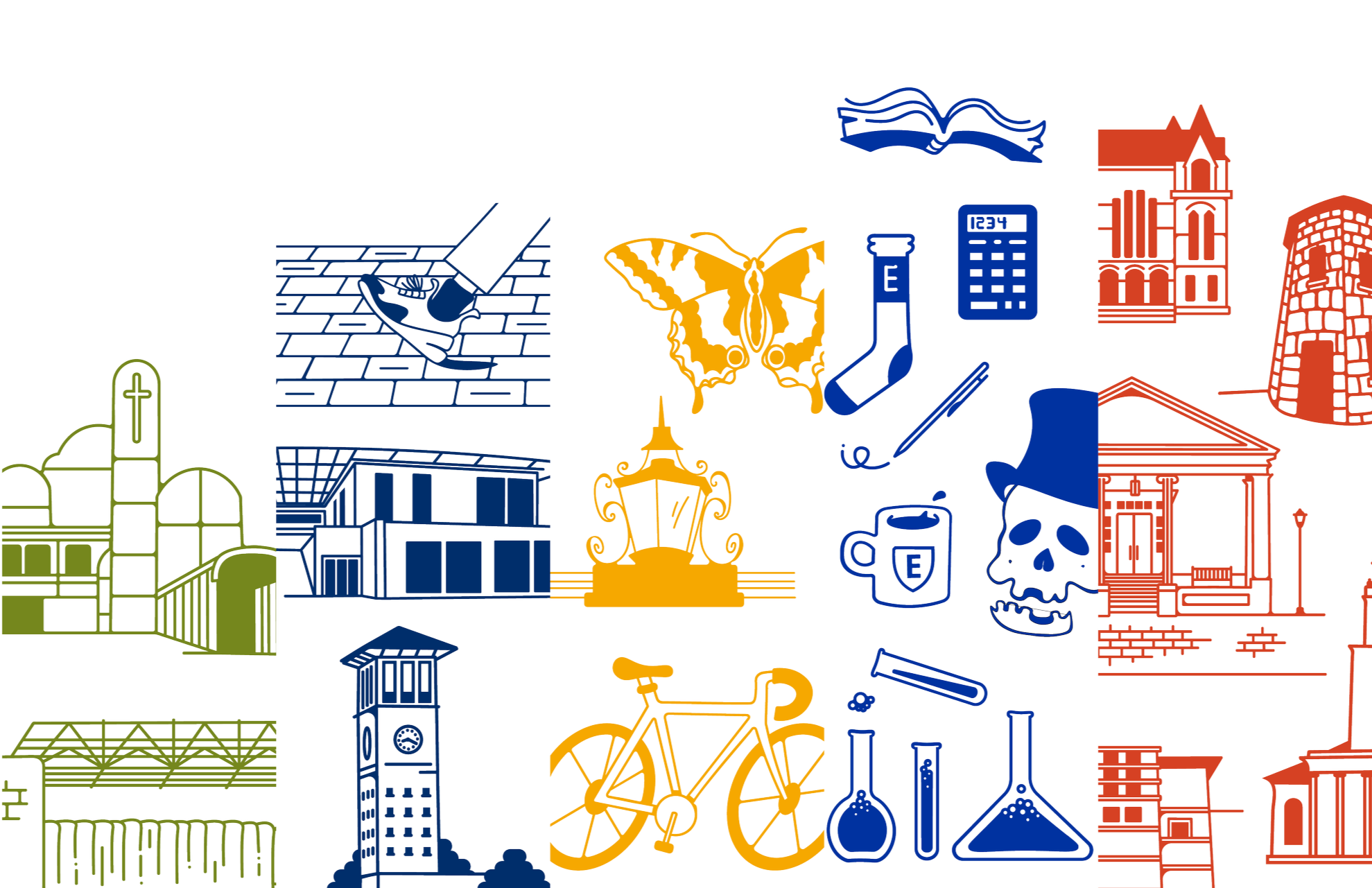
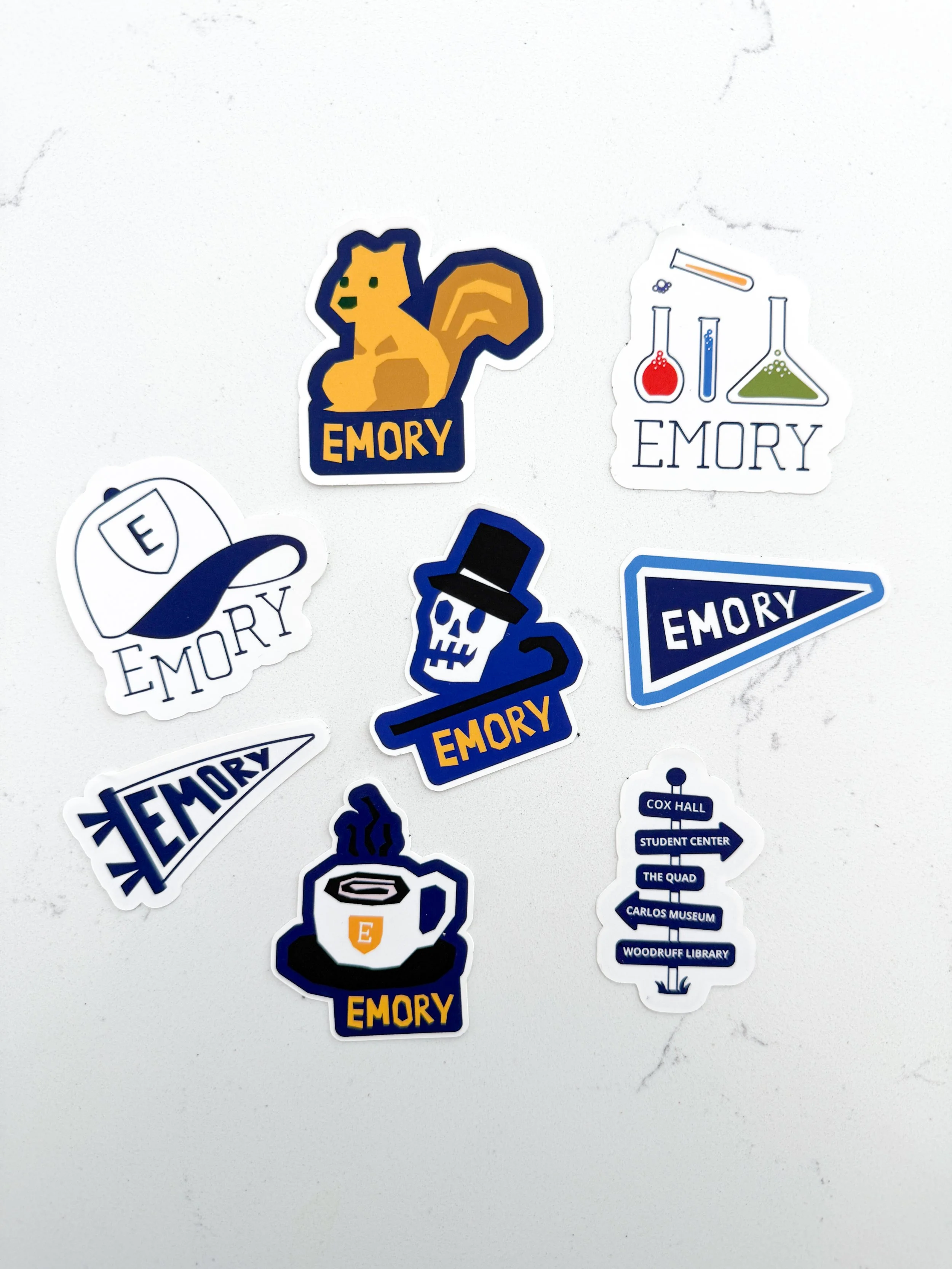
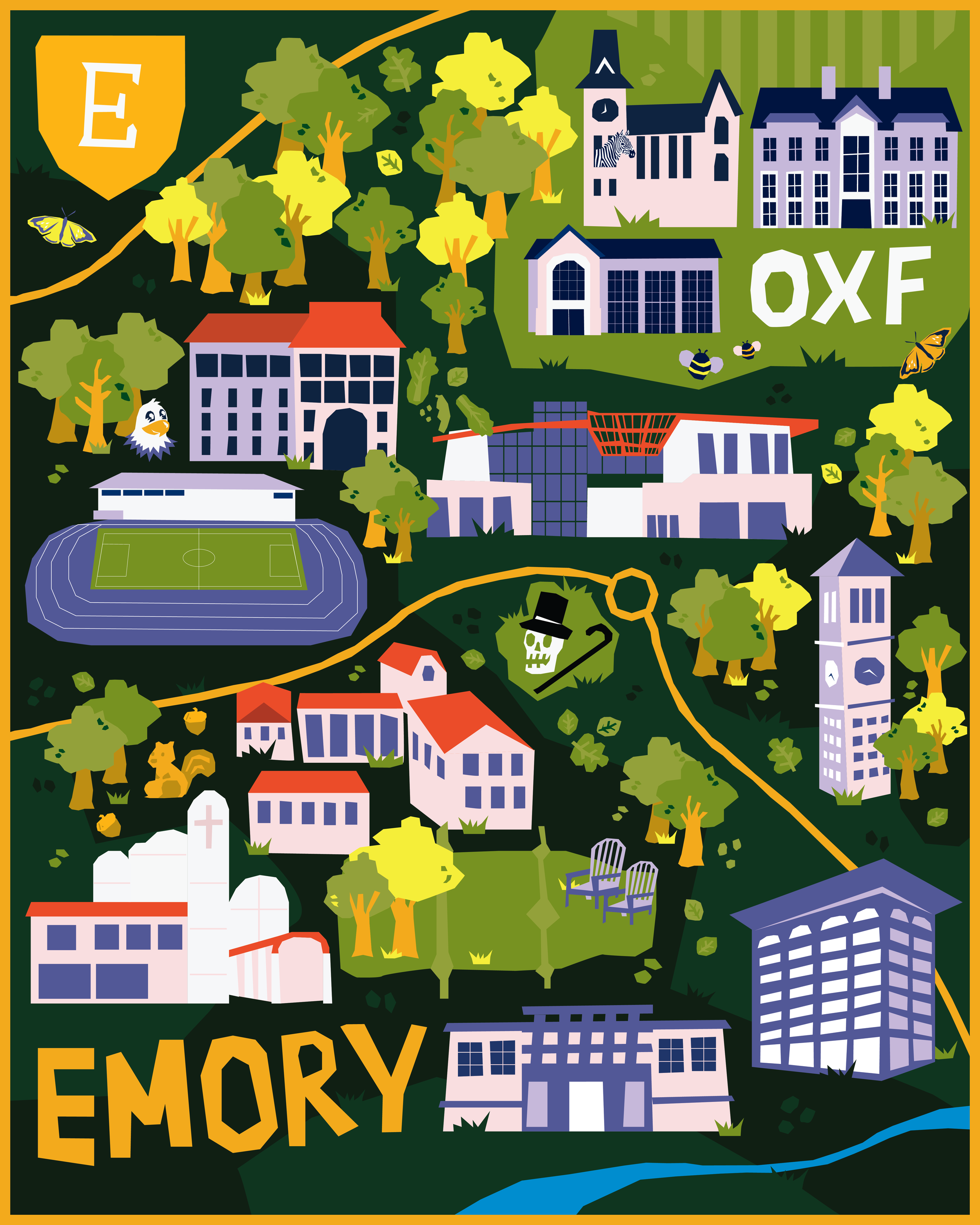
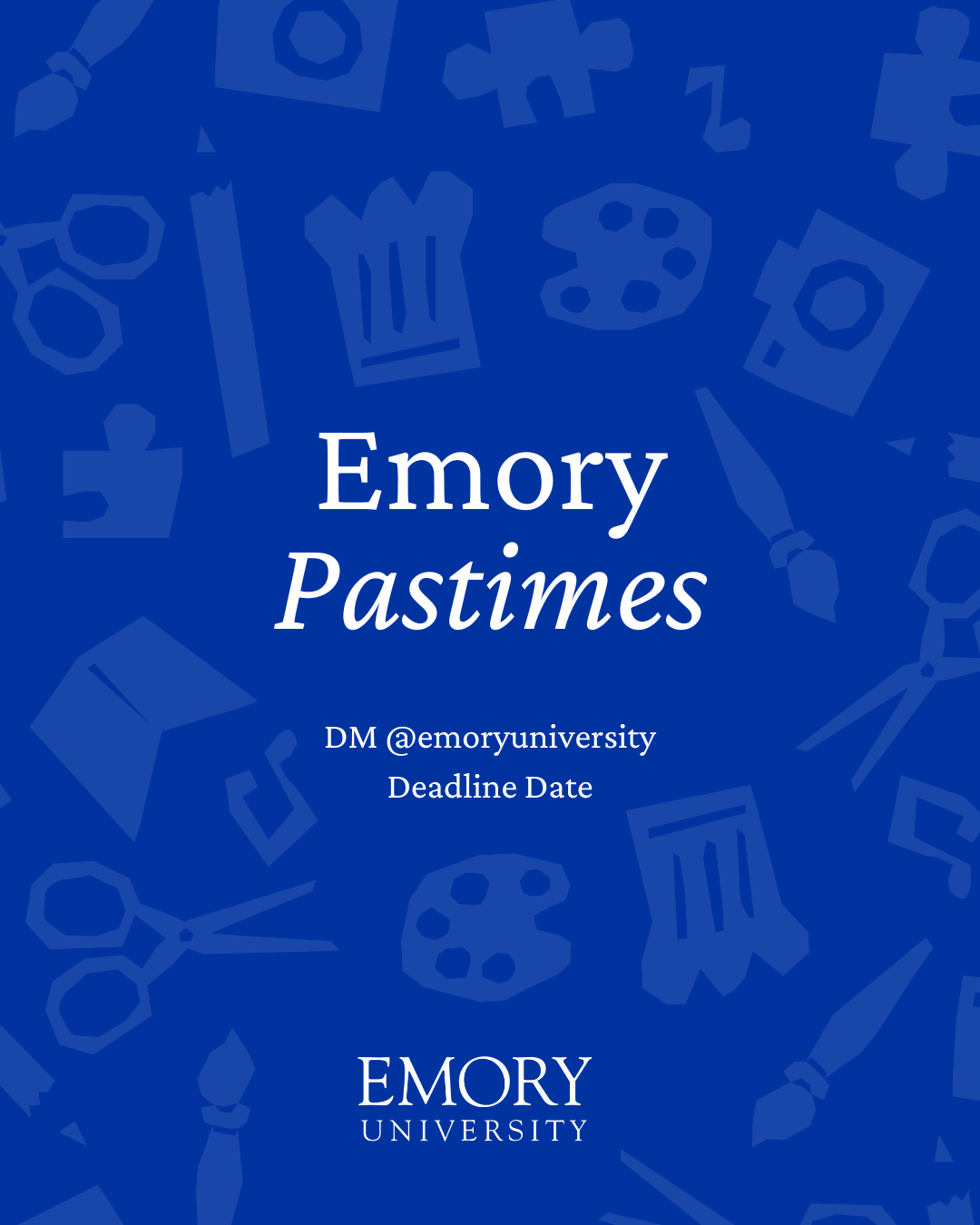
Nobody asked for two illustration suites. That came from a "what if we..." conversation, the kind that happens when a team has enough headspace to think beyond the next to-do on the list. Those suites are now a distinct, sought-after element in Emory's design system, incorporated across the entire university. They exist because the team had room to create them.
That's the version of creative leadership I believe in: not directing the work, but building the conditions where the work can surprise you.
The visible work
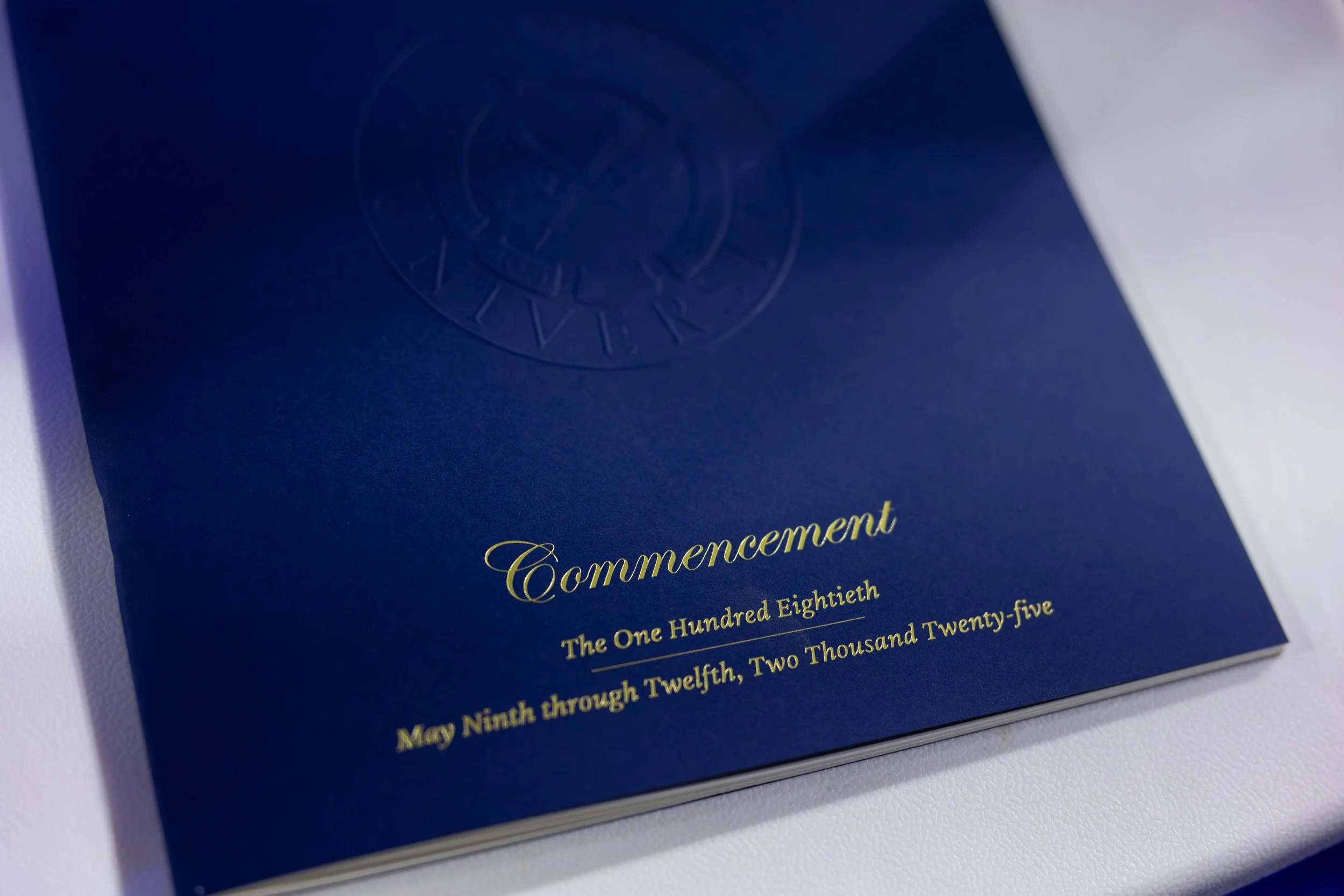
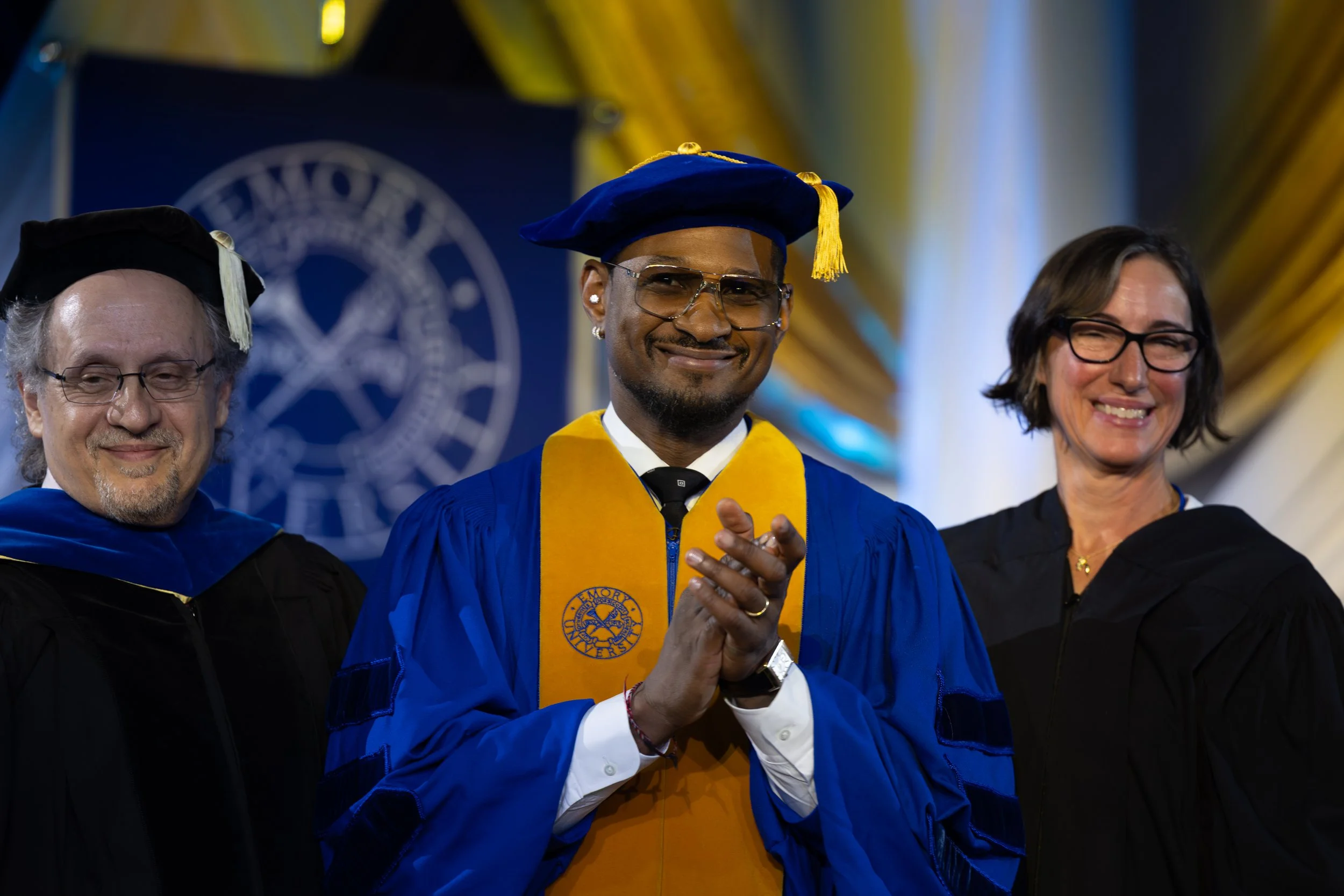
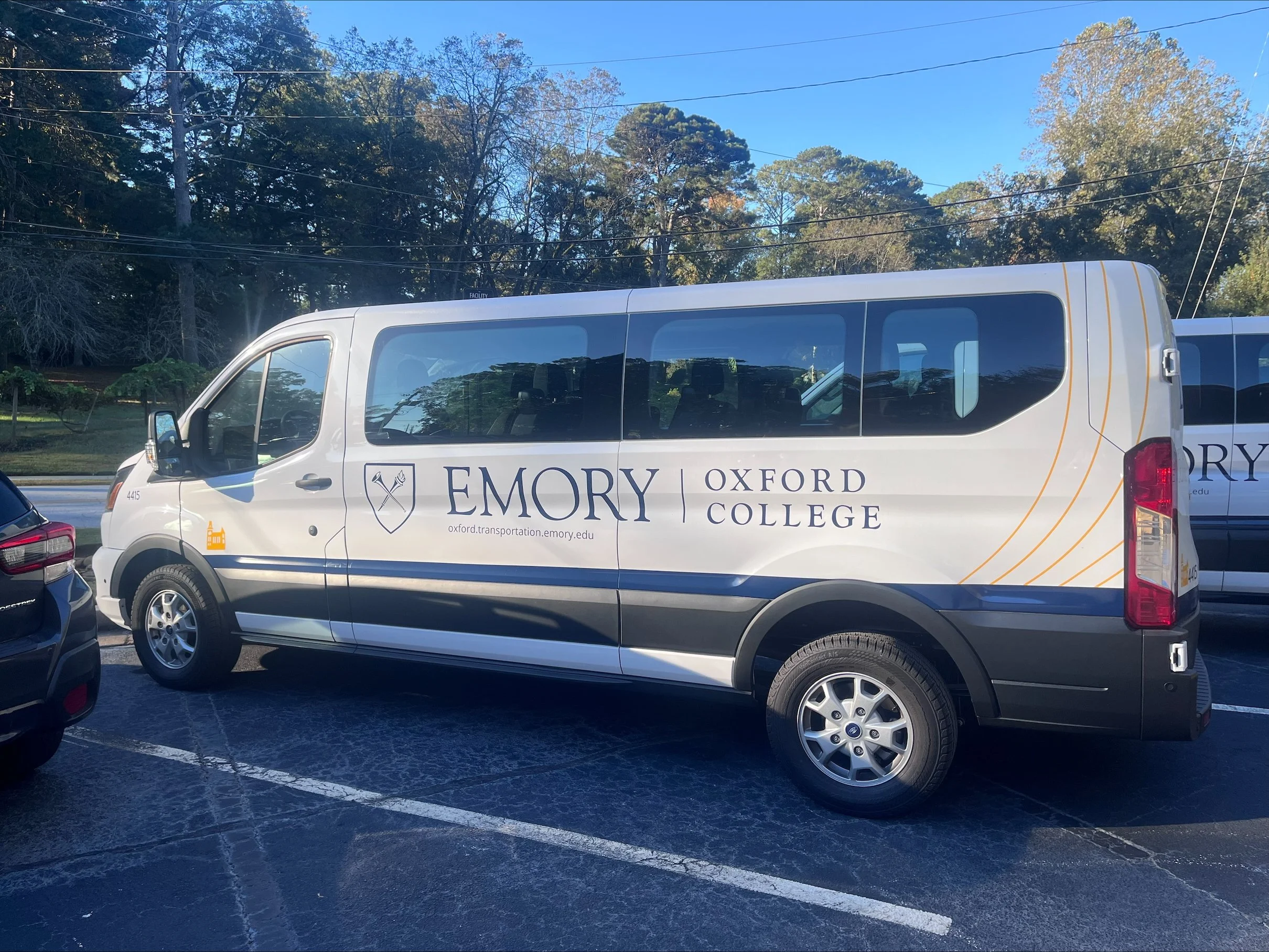
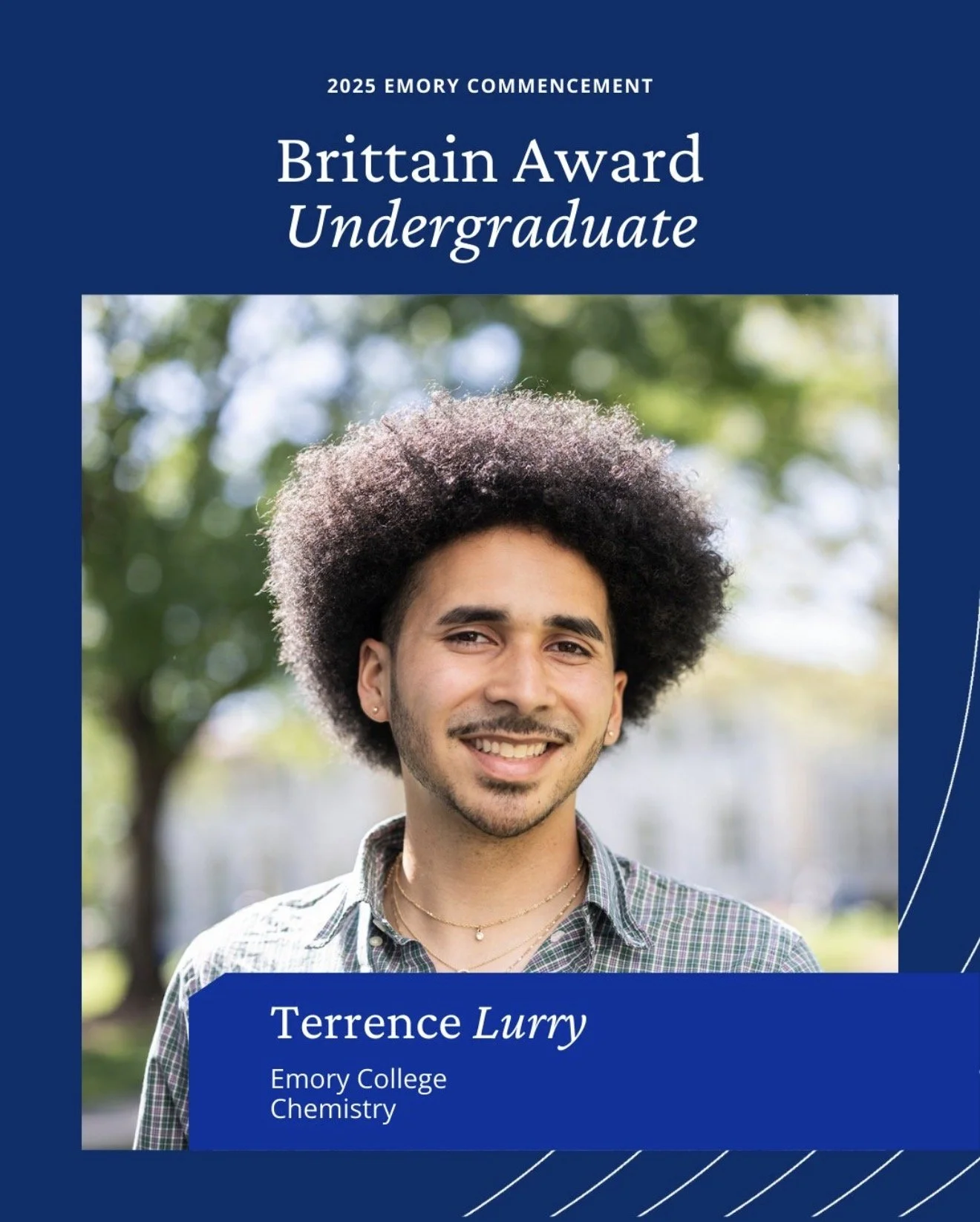
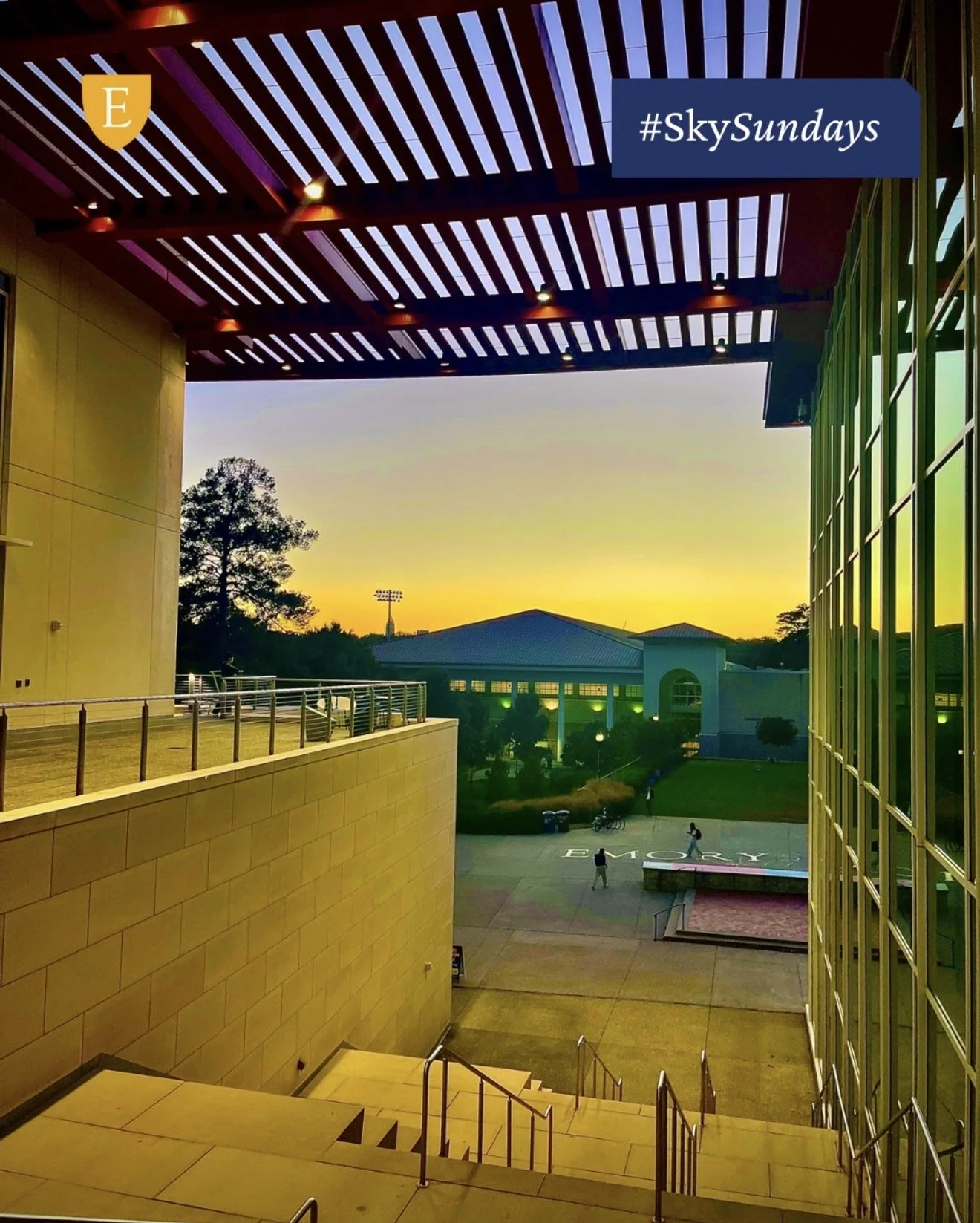
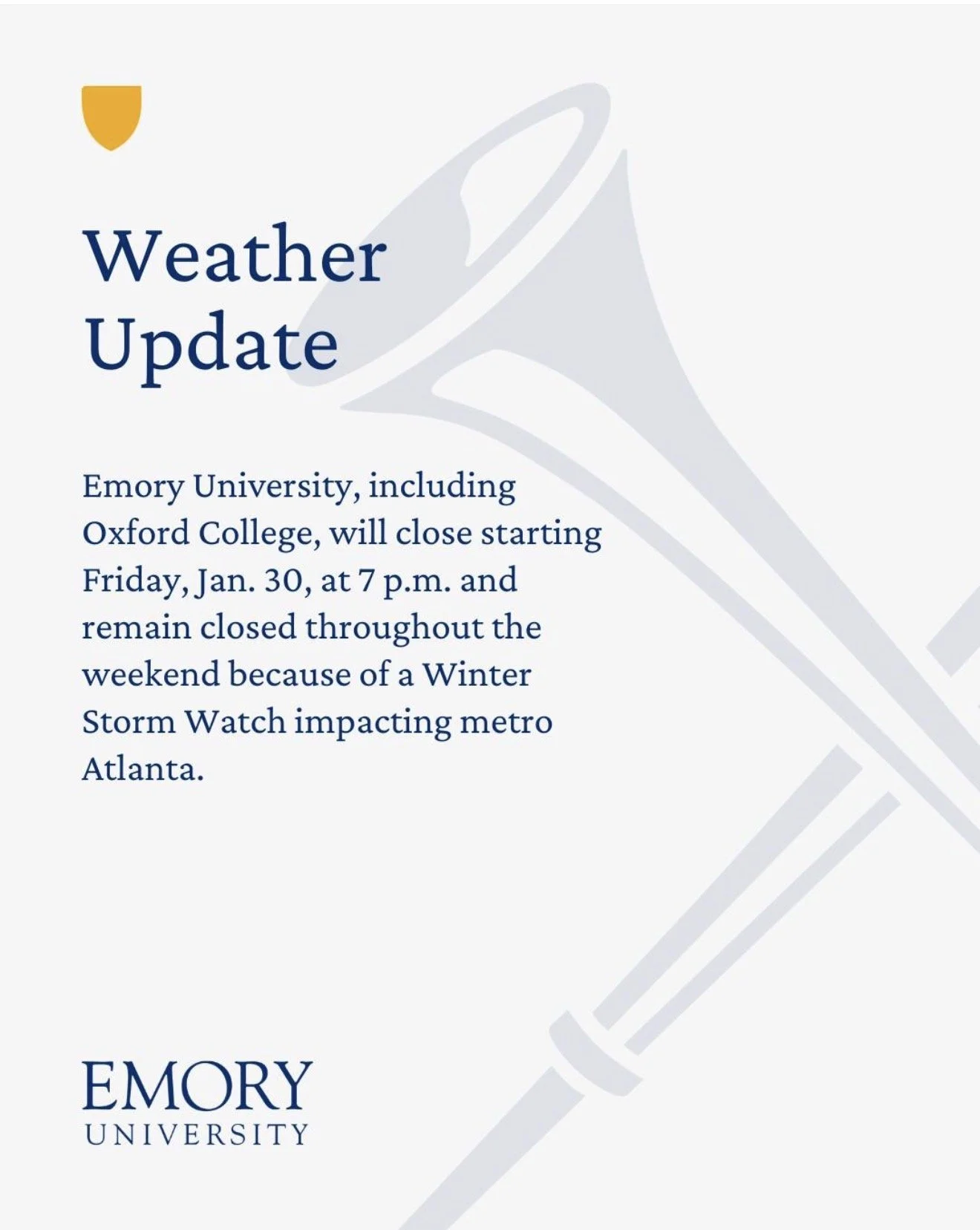
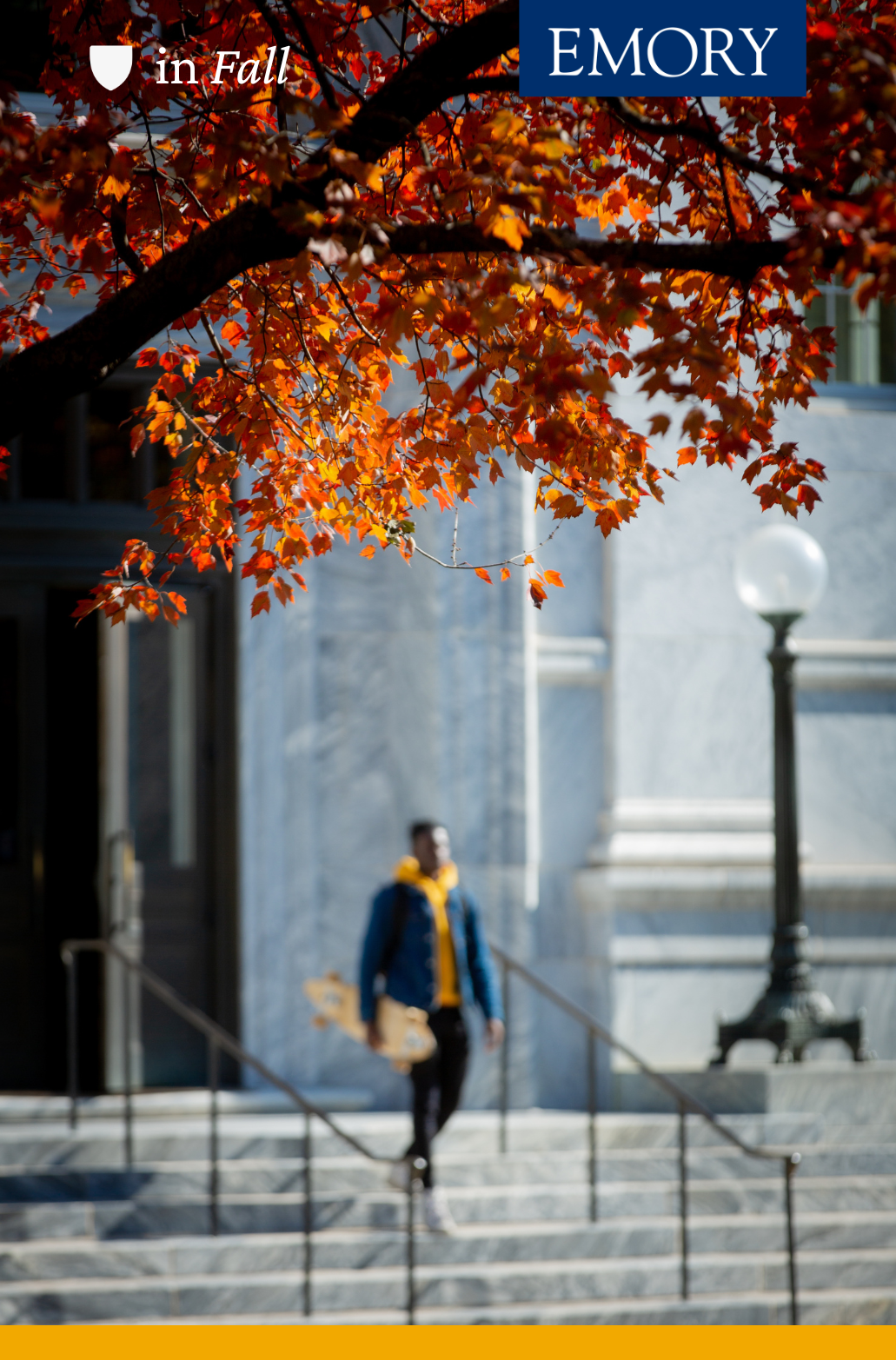
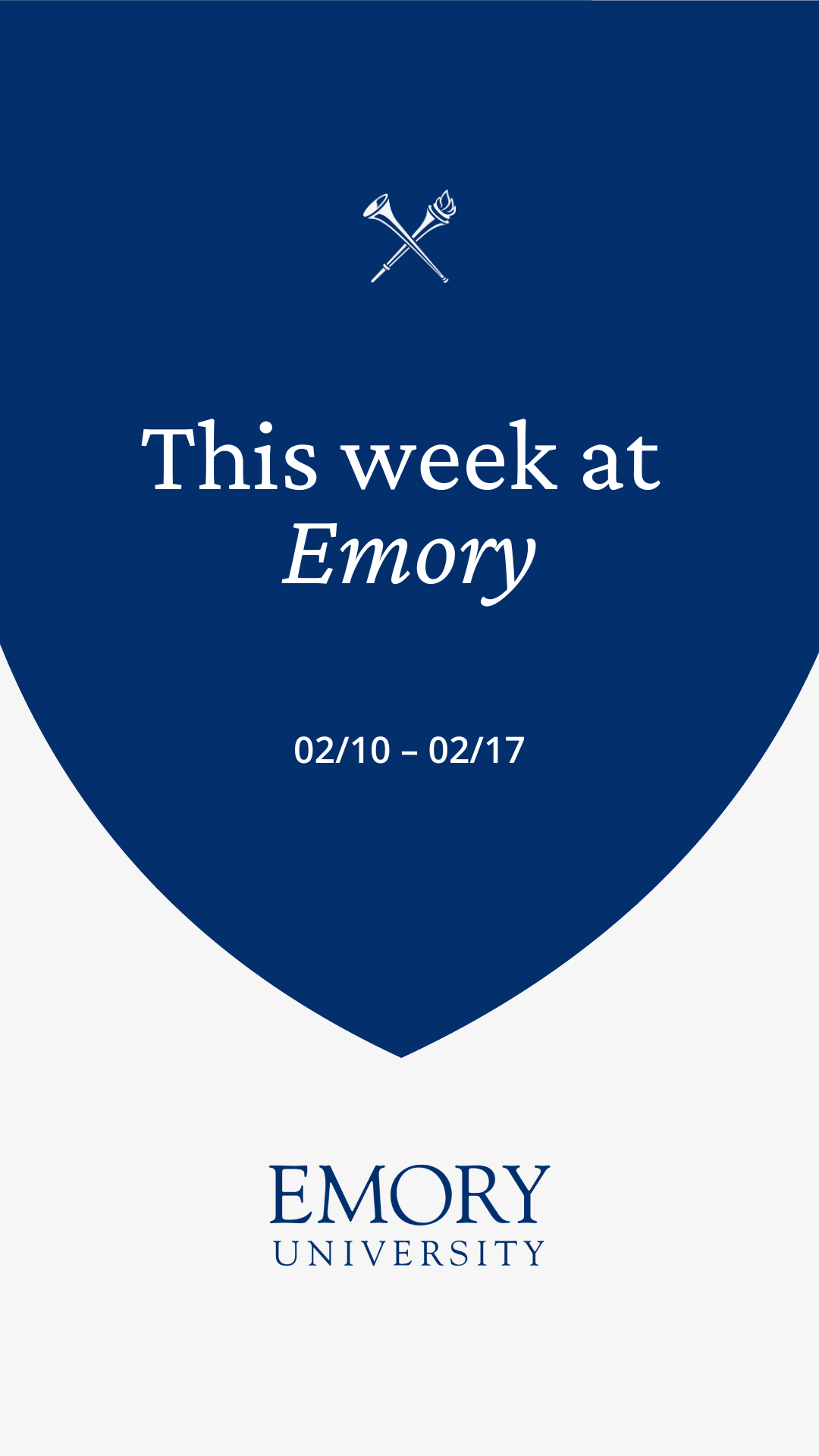
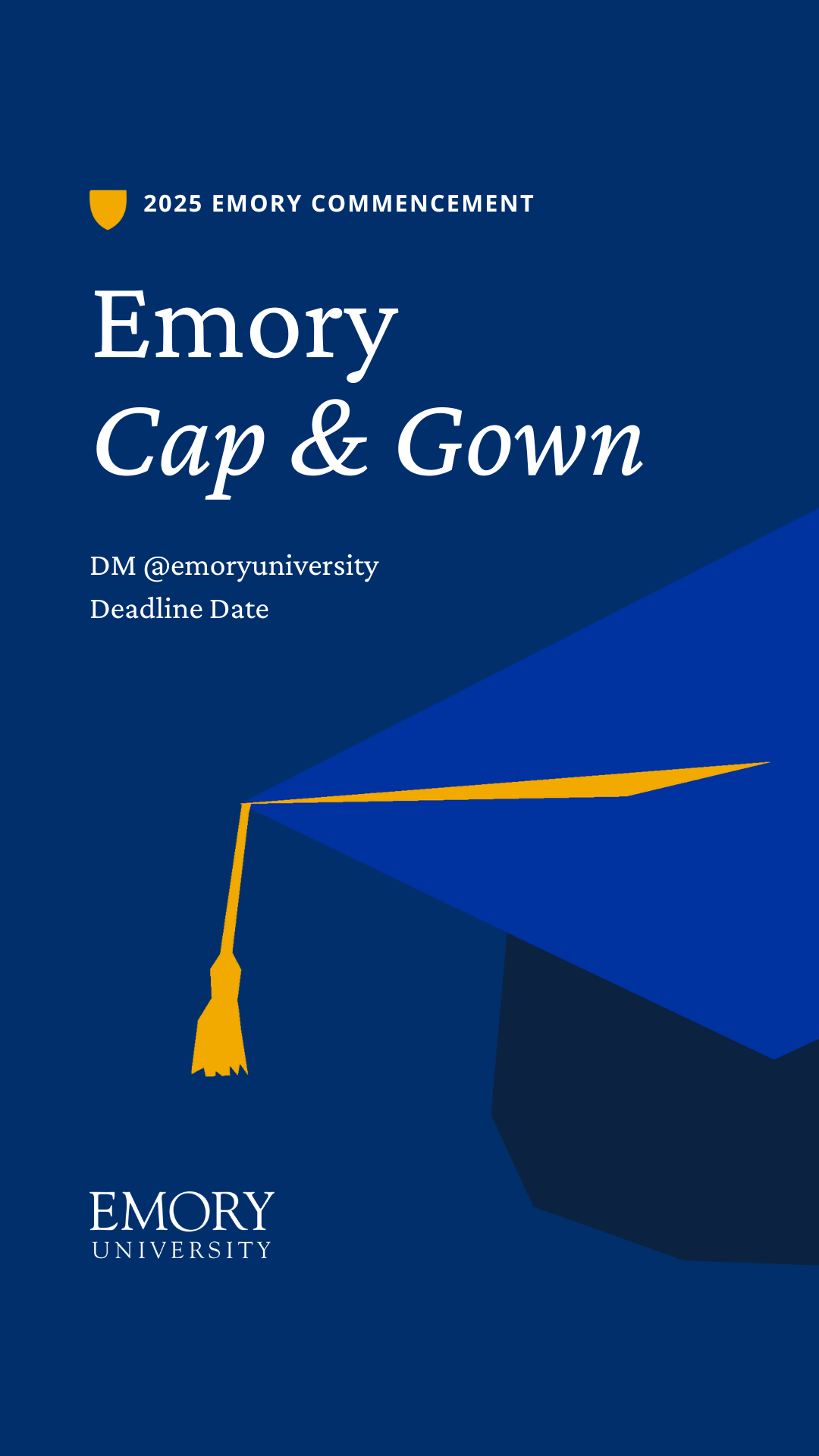
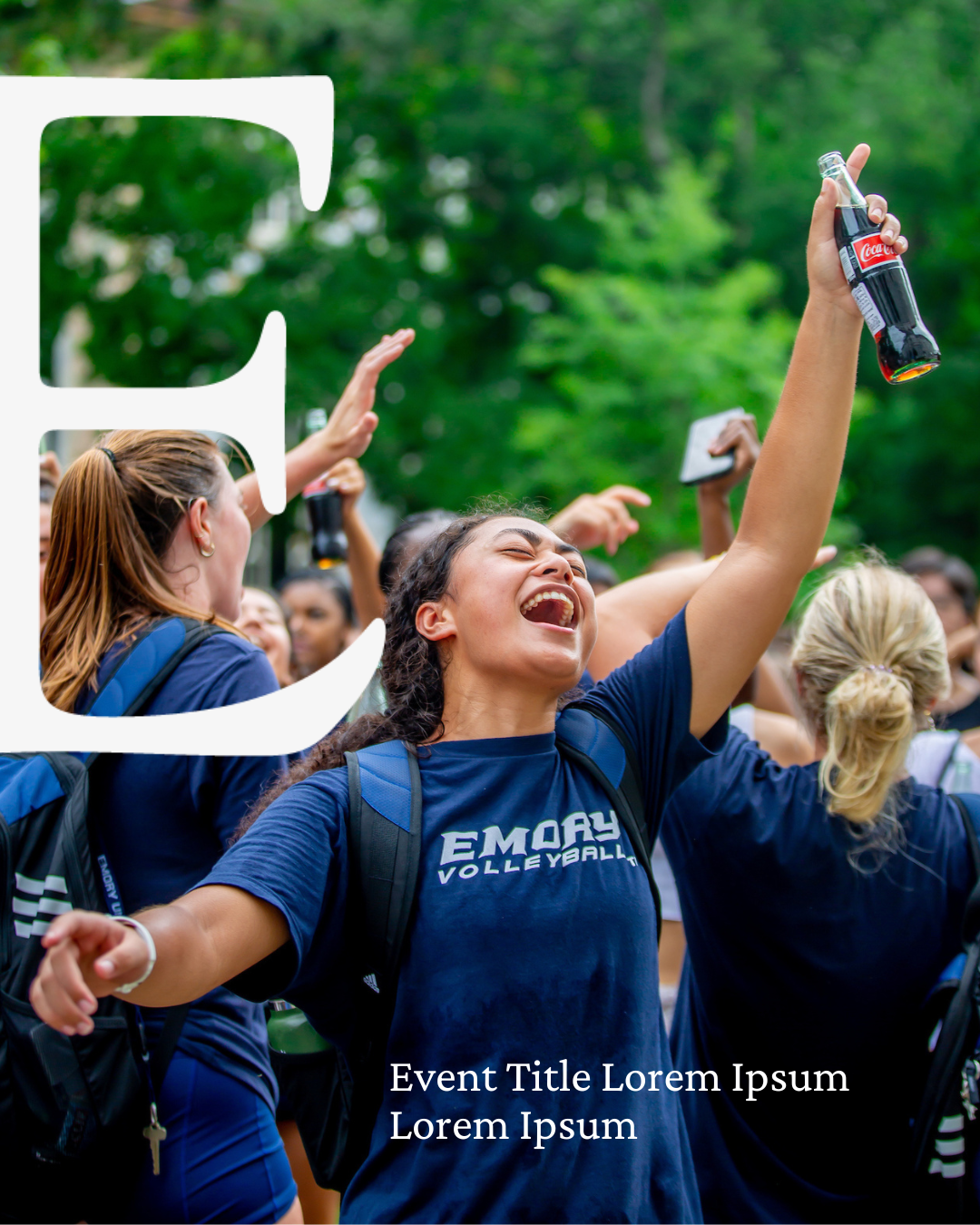
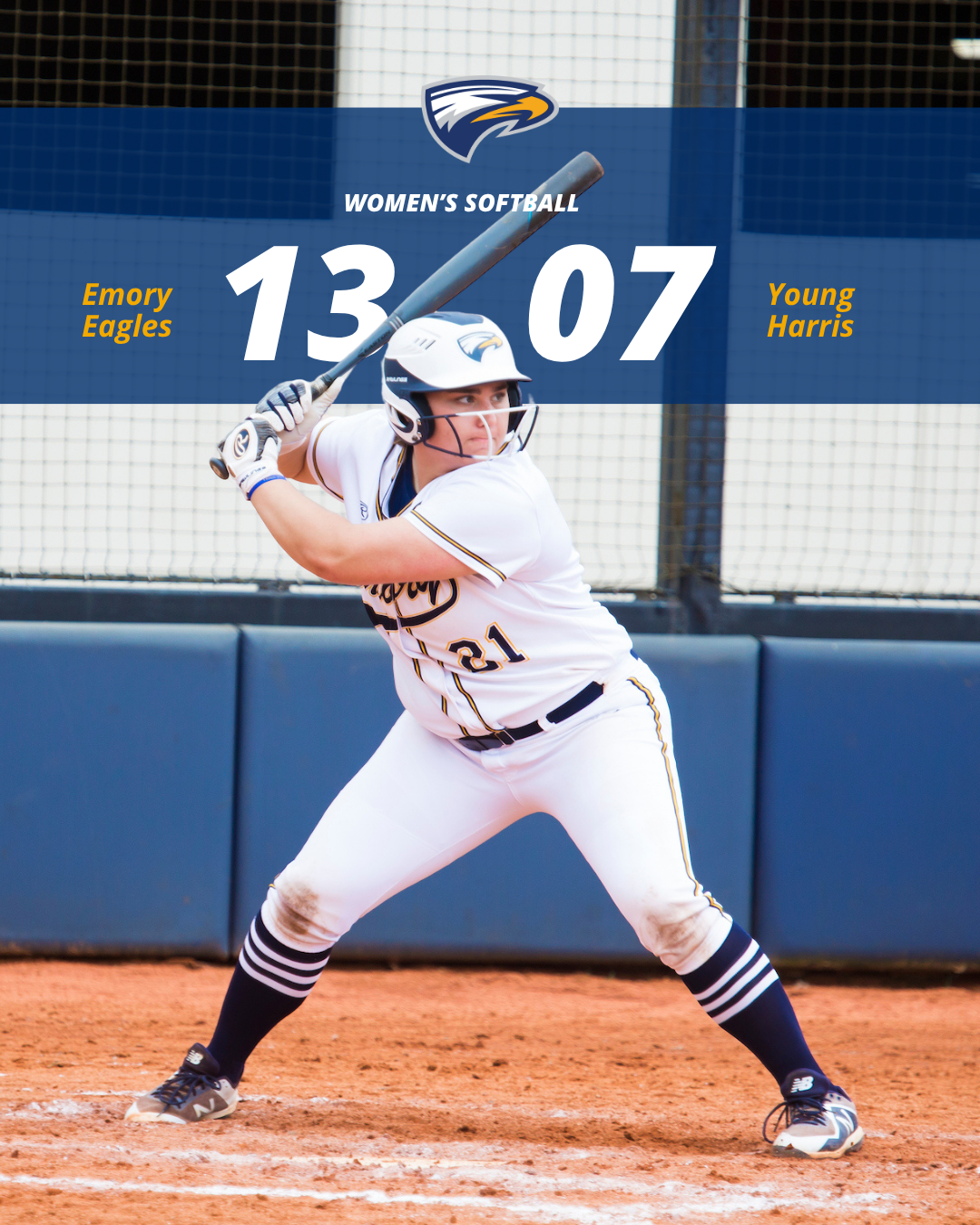
With the foundation in place, here's a tiny snippet of what the team and I have produced:
Campus-wide rollout of Emory's refreshed brand system: visual identity, color strategy, brand guidelines, logo architecture
A university-wide logo rebuild consolidating thousands of legacy marks into a cohesive branded house
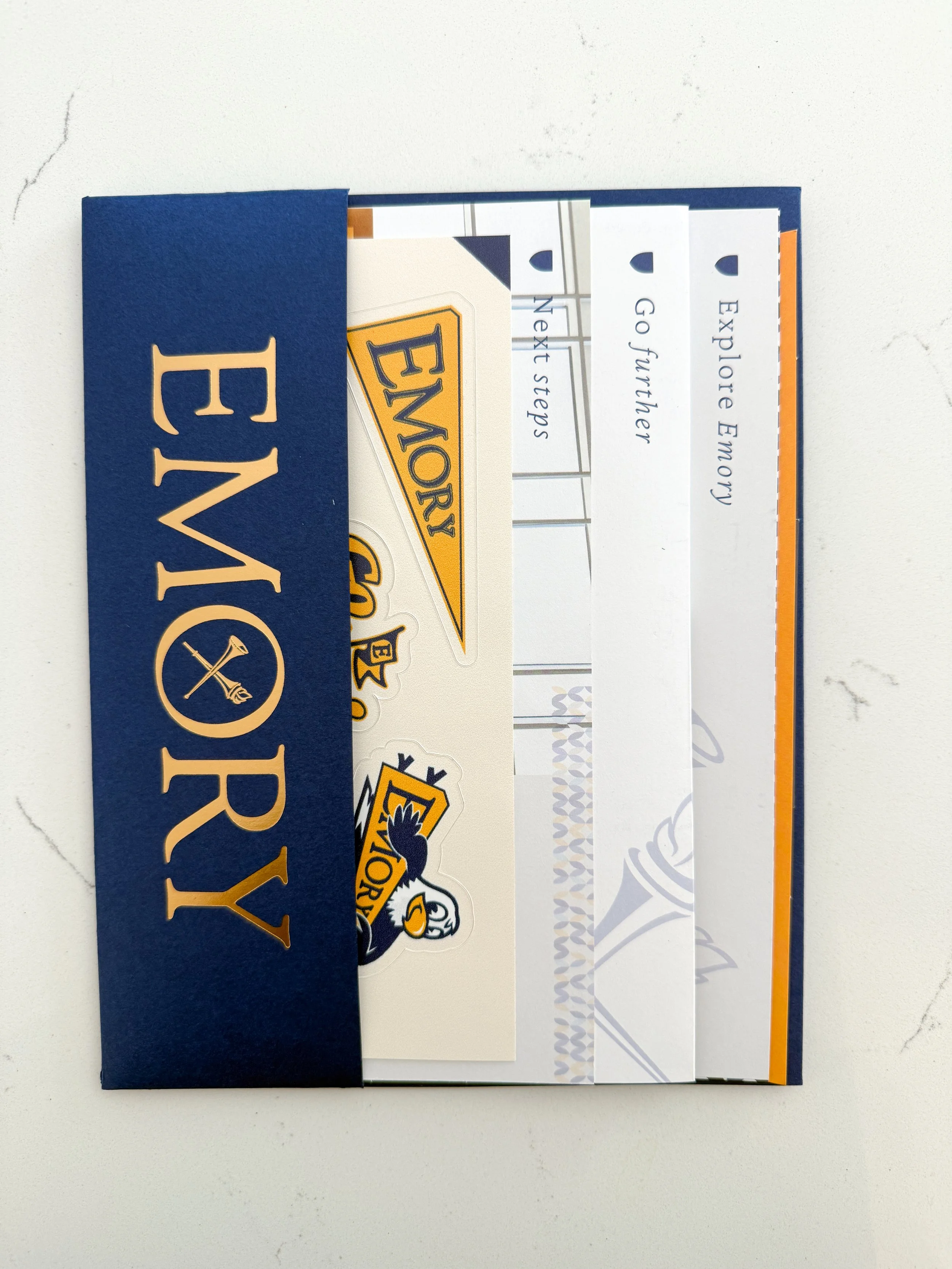
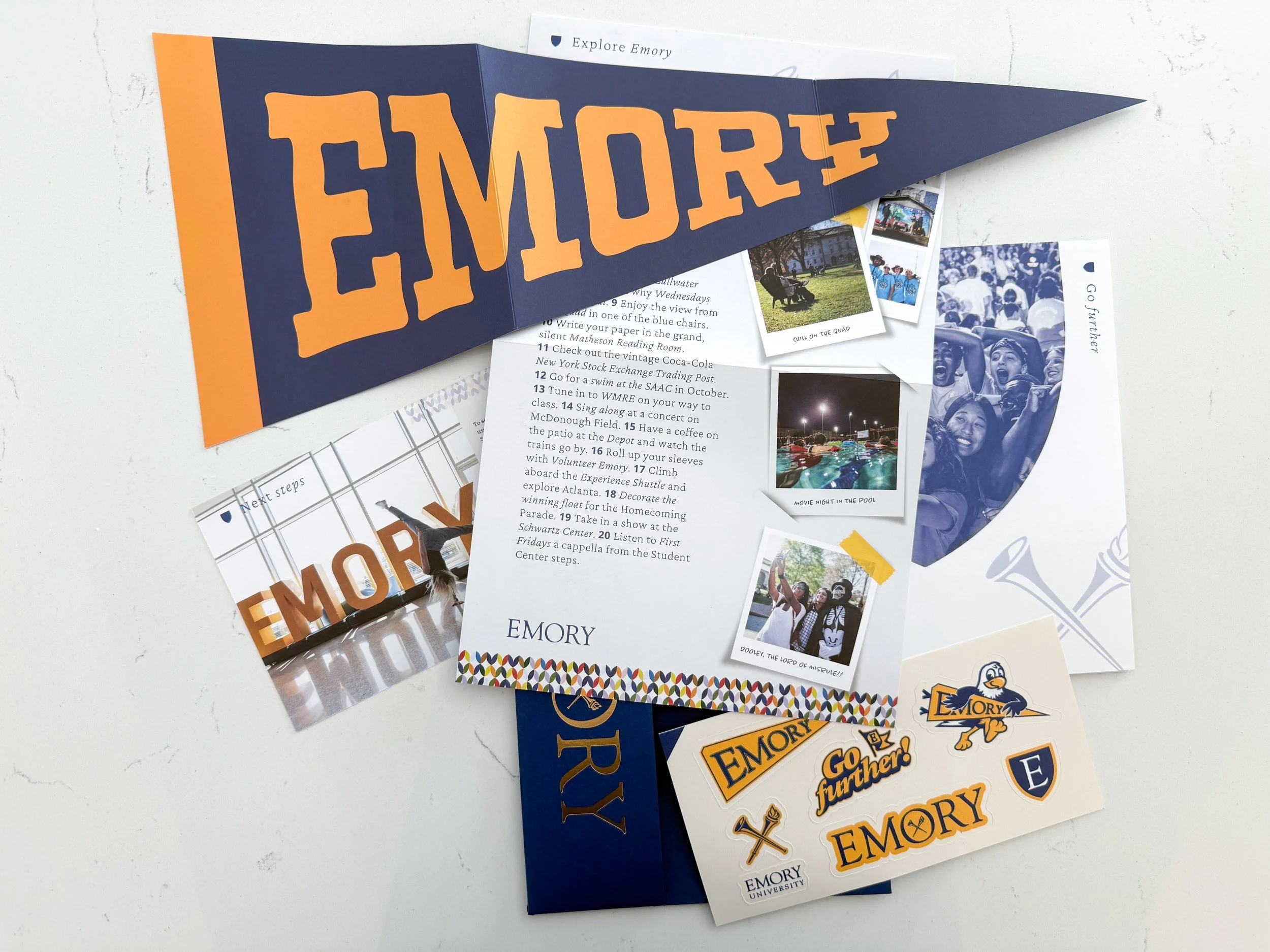
A reimagined undergraduate acceptance packet, the physical object that arrives at one of the most emotionally significant moments in a student's life
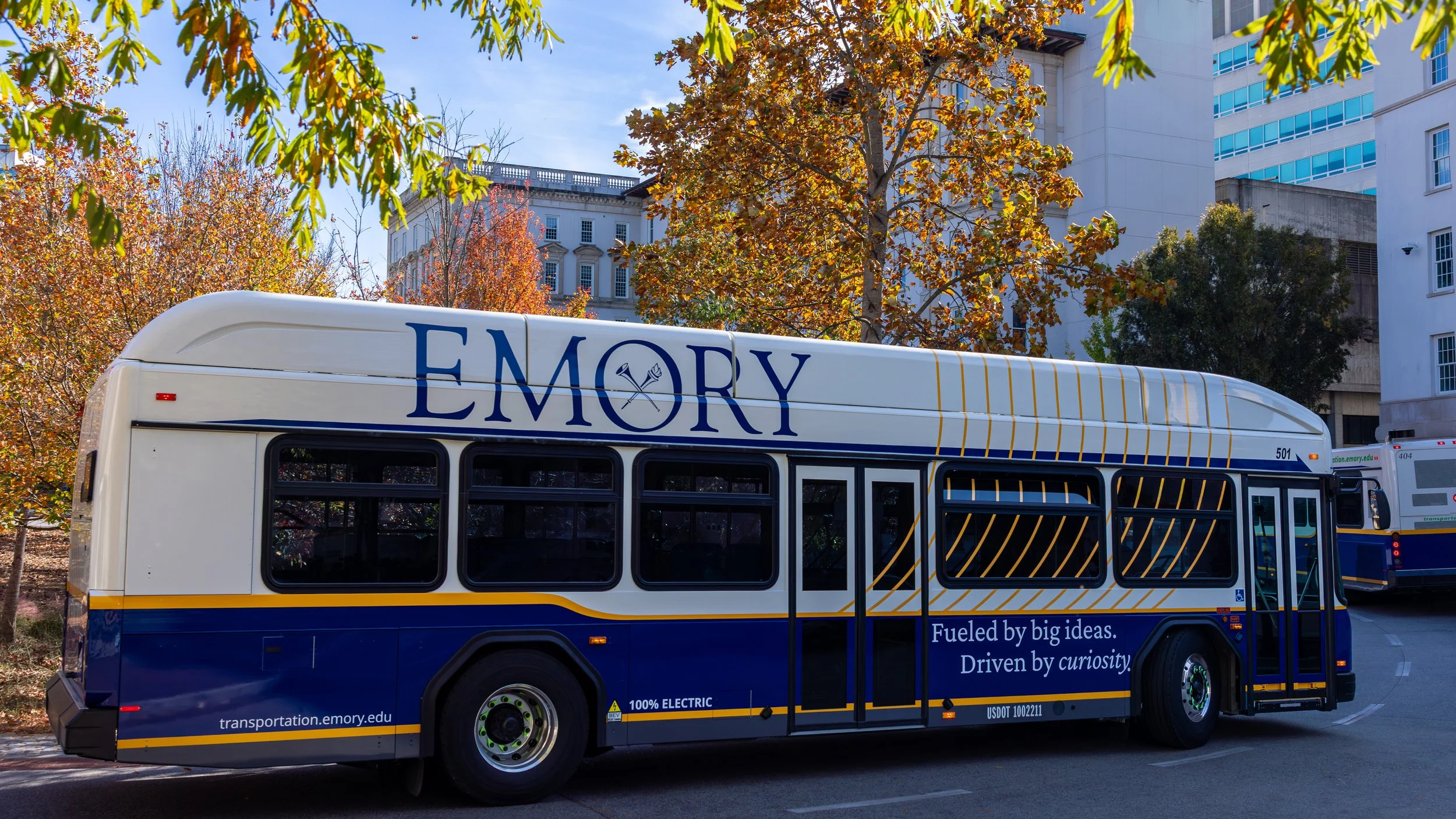
Fully designed all-electric campus buses, debuted 2025
Two complete illustration suites now woven into the university's design language
Brand adoption across 100+ stakeholders through workshops, communities, and cross-campus consultation
New Emory ID cards - the card every student, faculty member, and staff carry every day
Visual design and commemorative materials for President Jimmy Carter's repose at the Carter Center in January 2025, one of the most significant public moments in the university's recent history
Creative direction over Emory Magazine, including a full redesign debuted in the Winter 2025 issue, bringing the publication into alignment with the refreshed brand for the first time
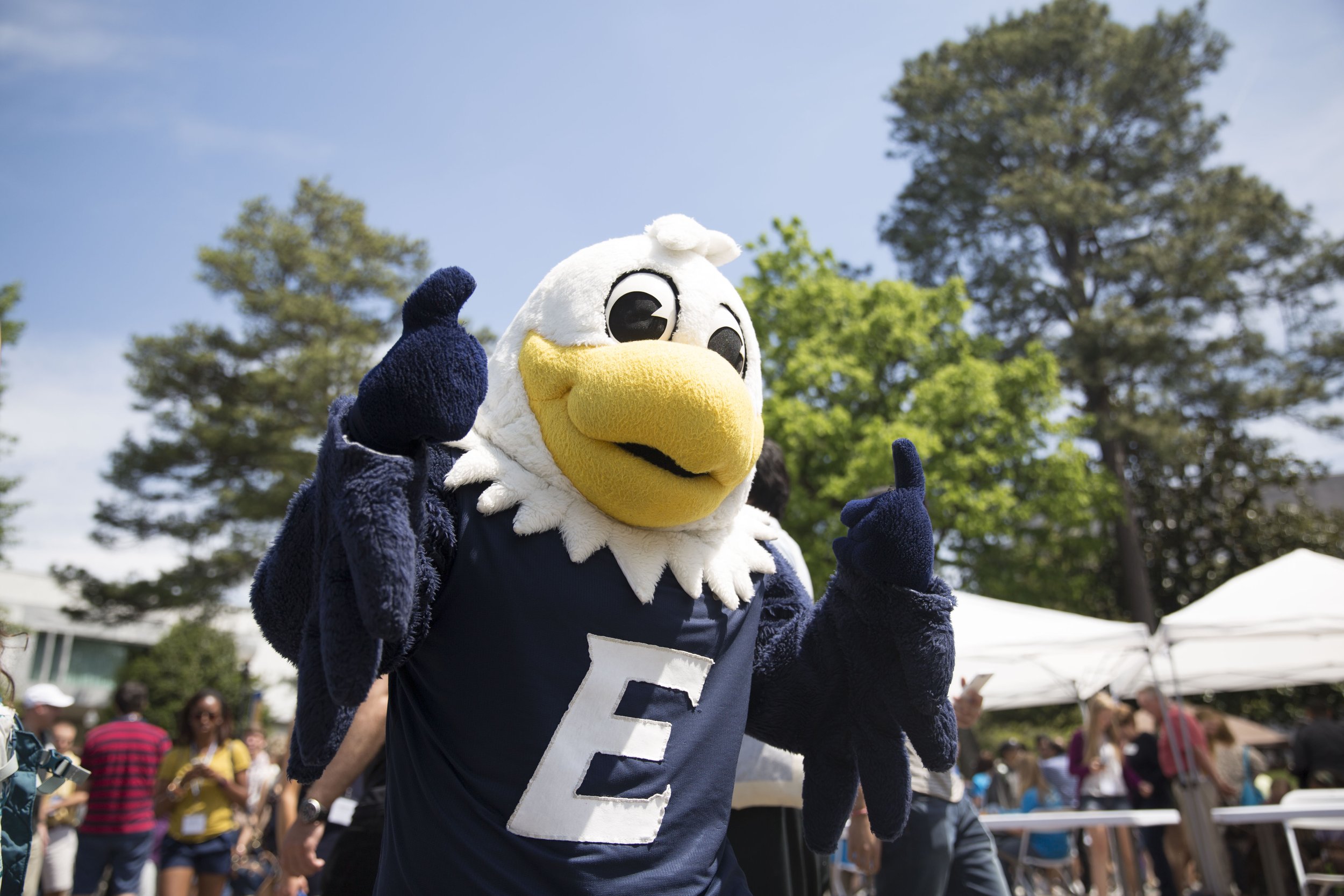
A reimagined Swoop mascot costume, bringing Emory's most visible character into the updated brand era
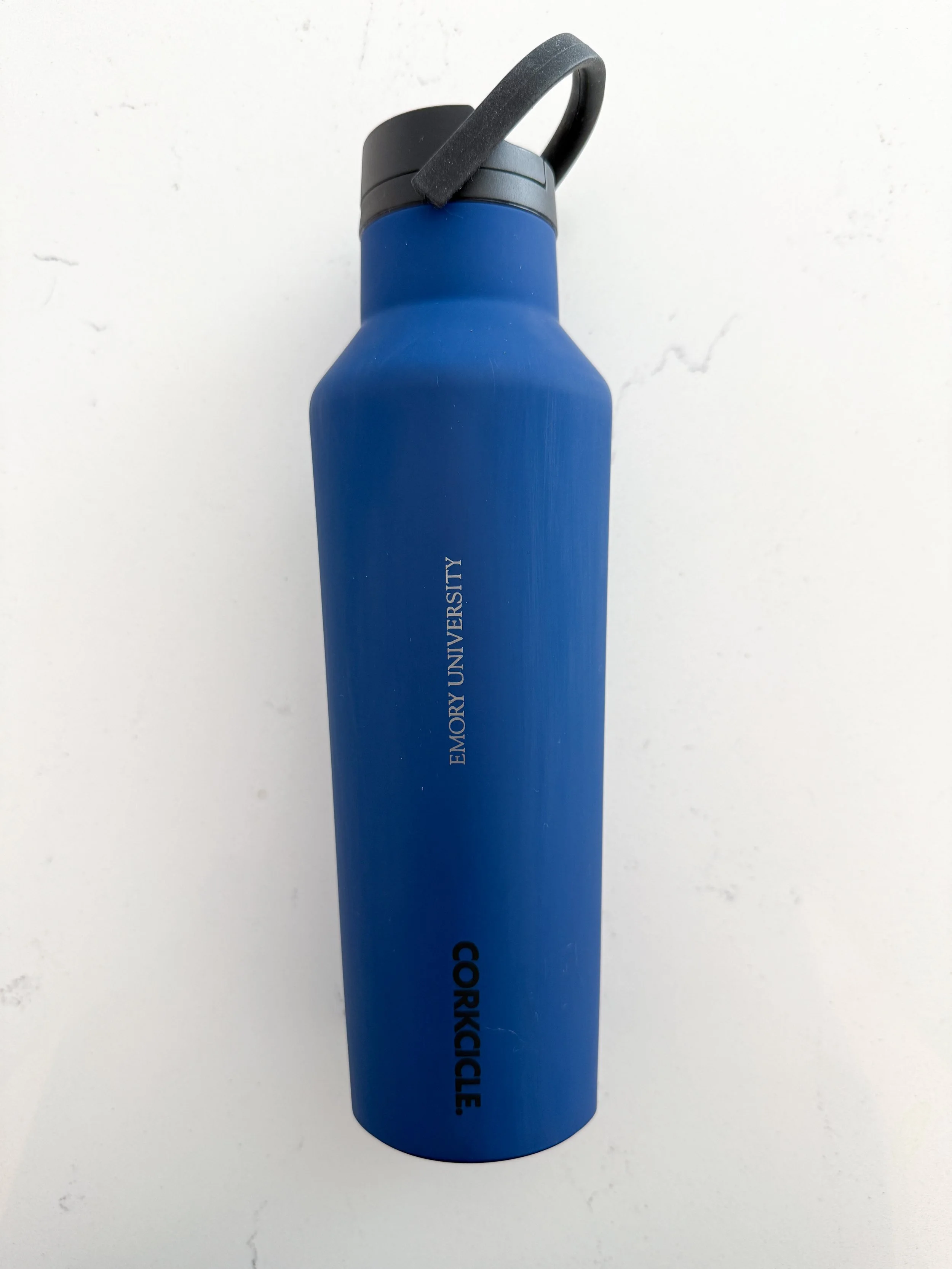
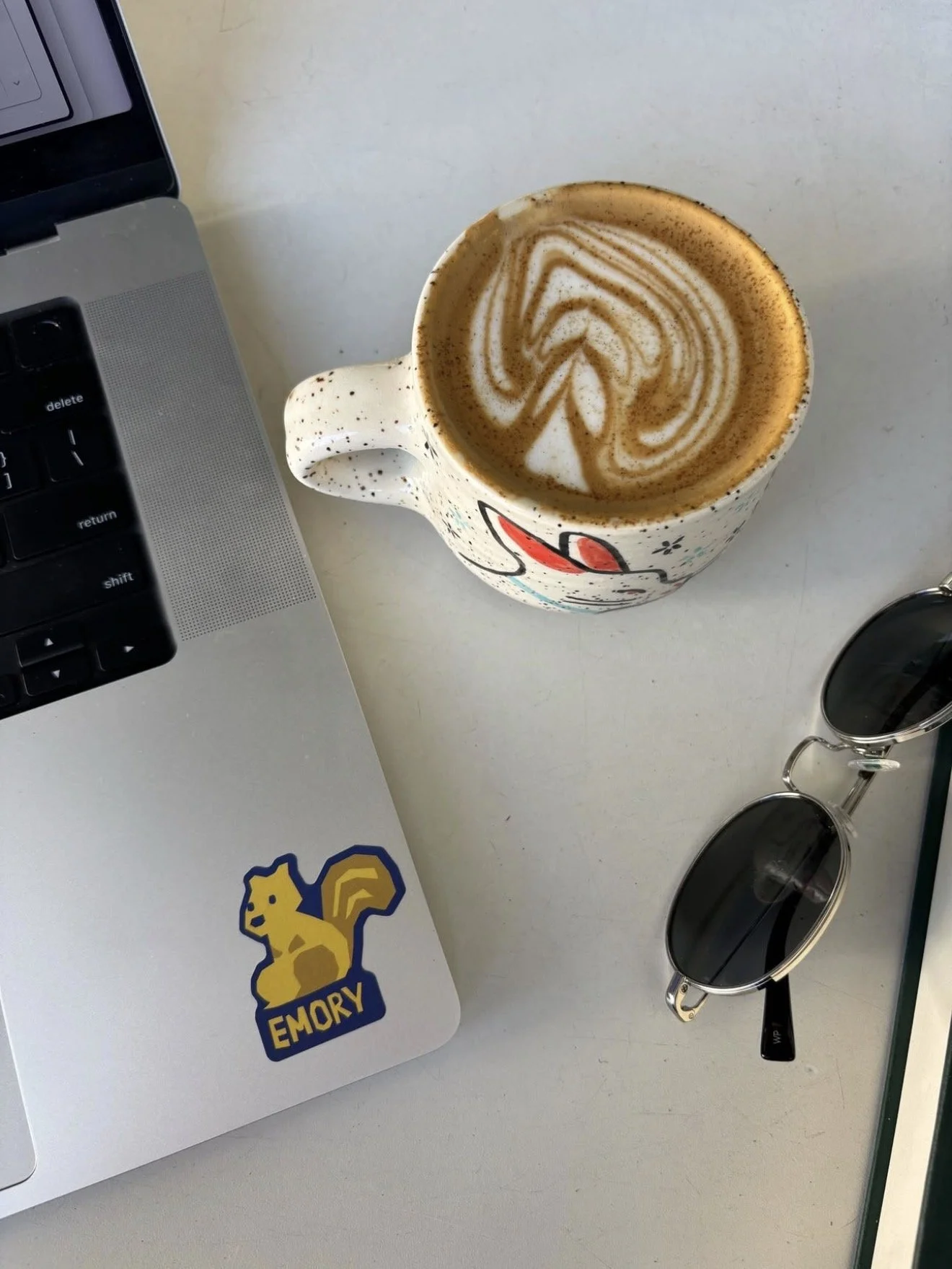
Redesigned merchandise and branded products across the bookstore and campus - from giveaways to gear people actually want to keep
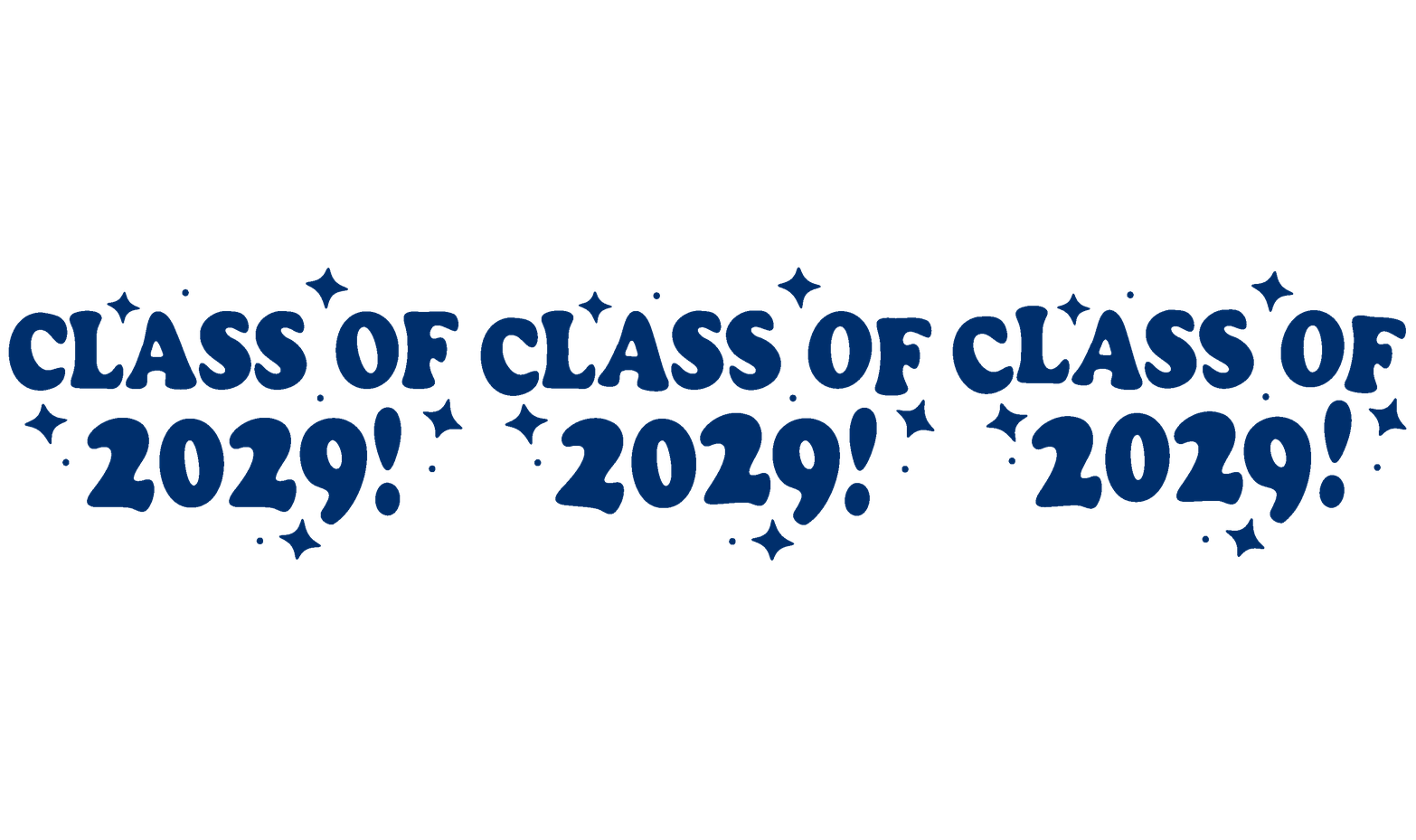

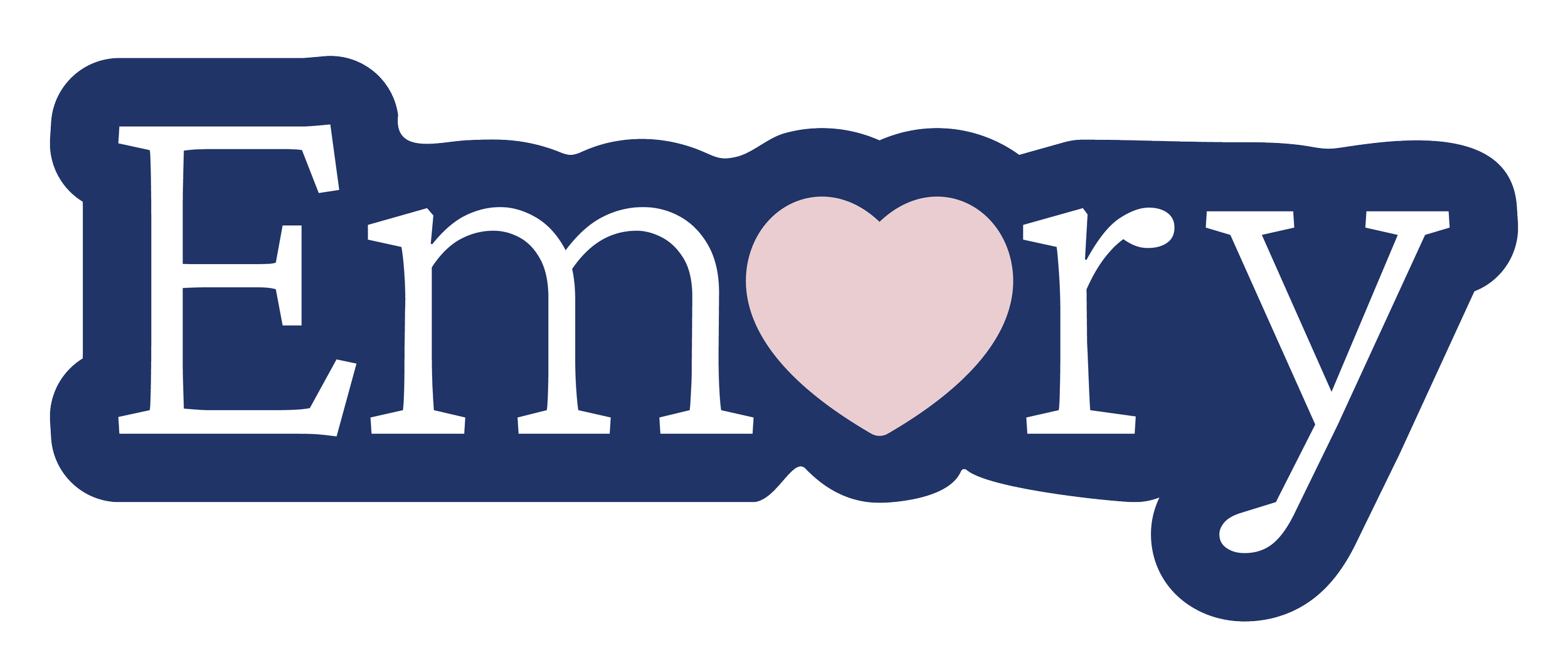
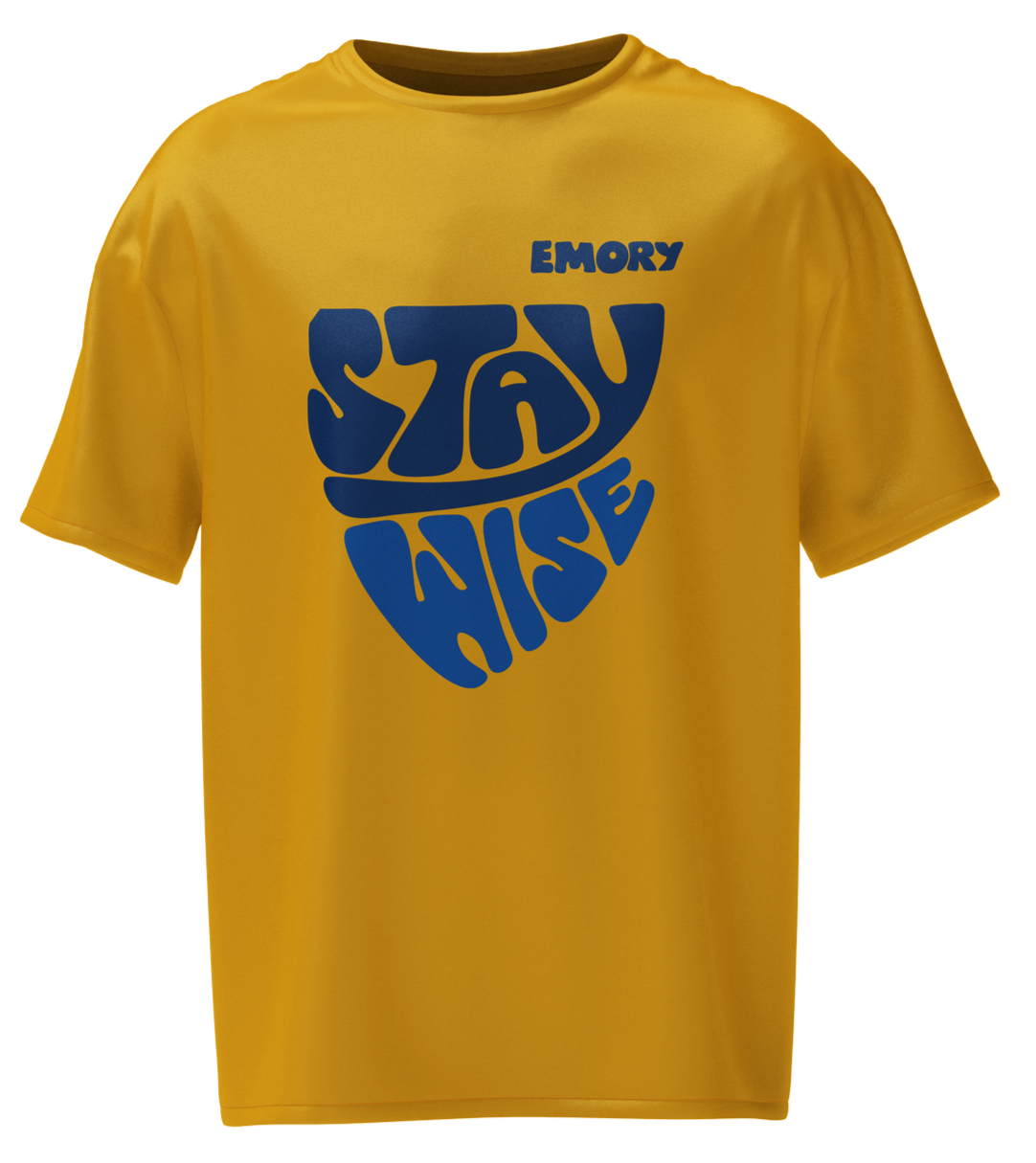

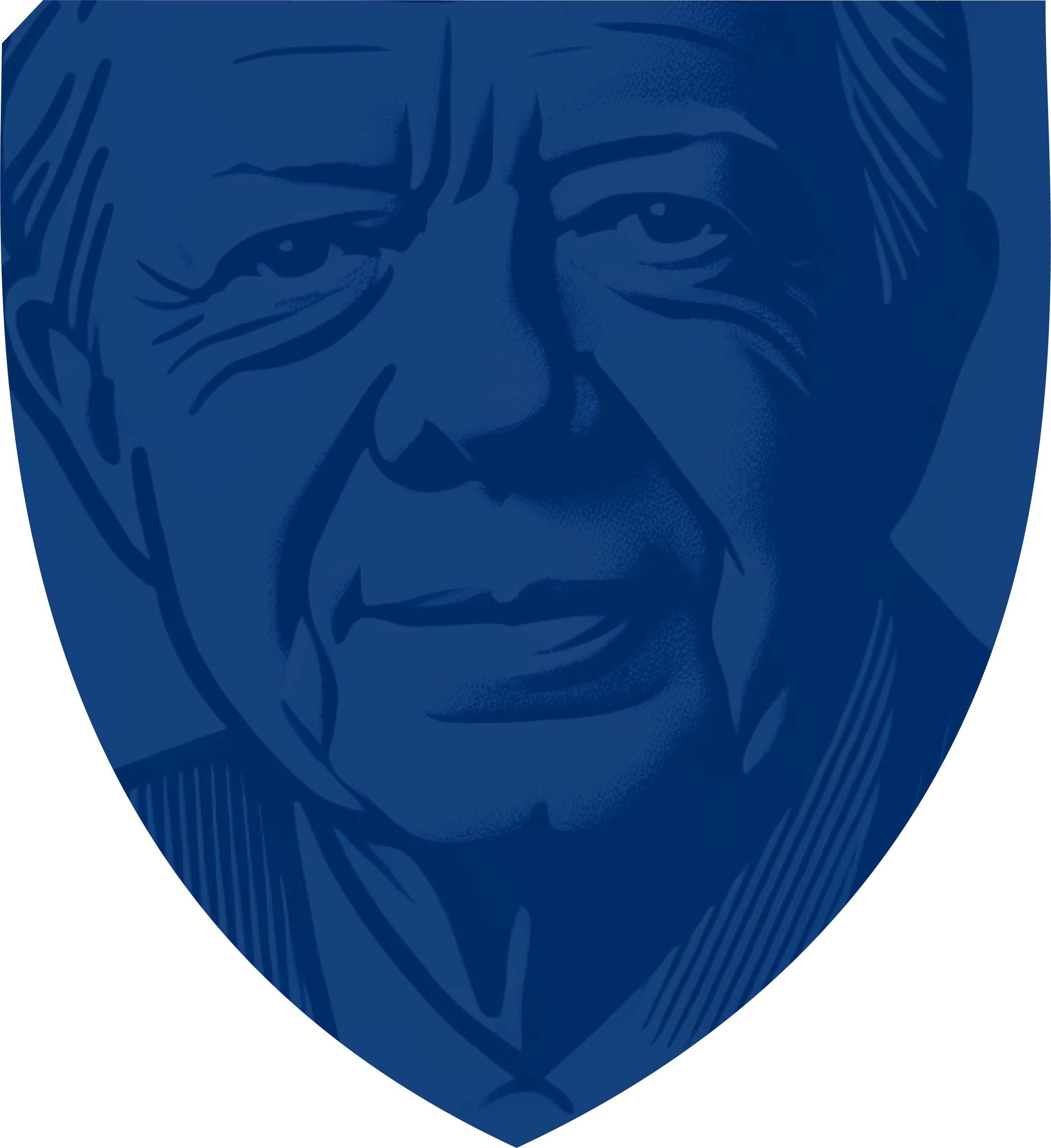

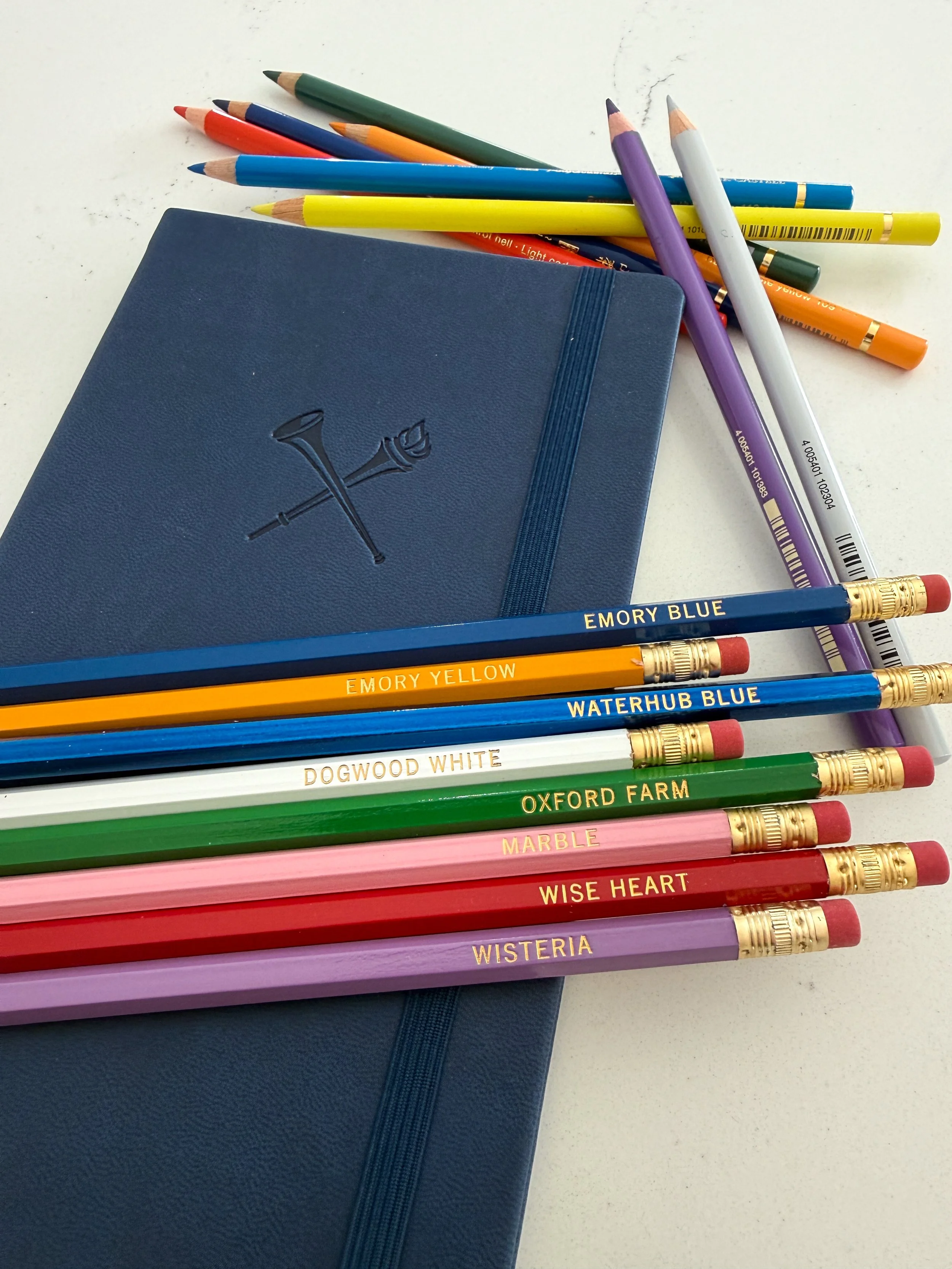
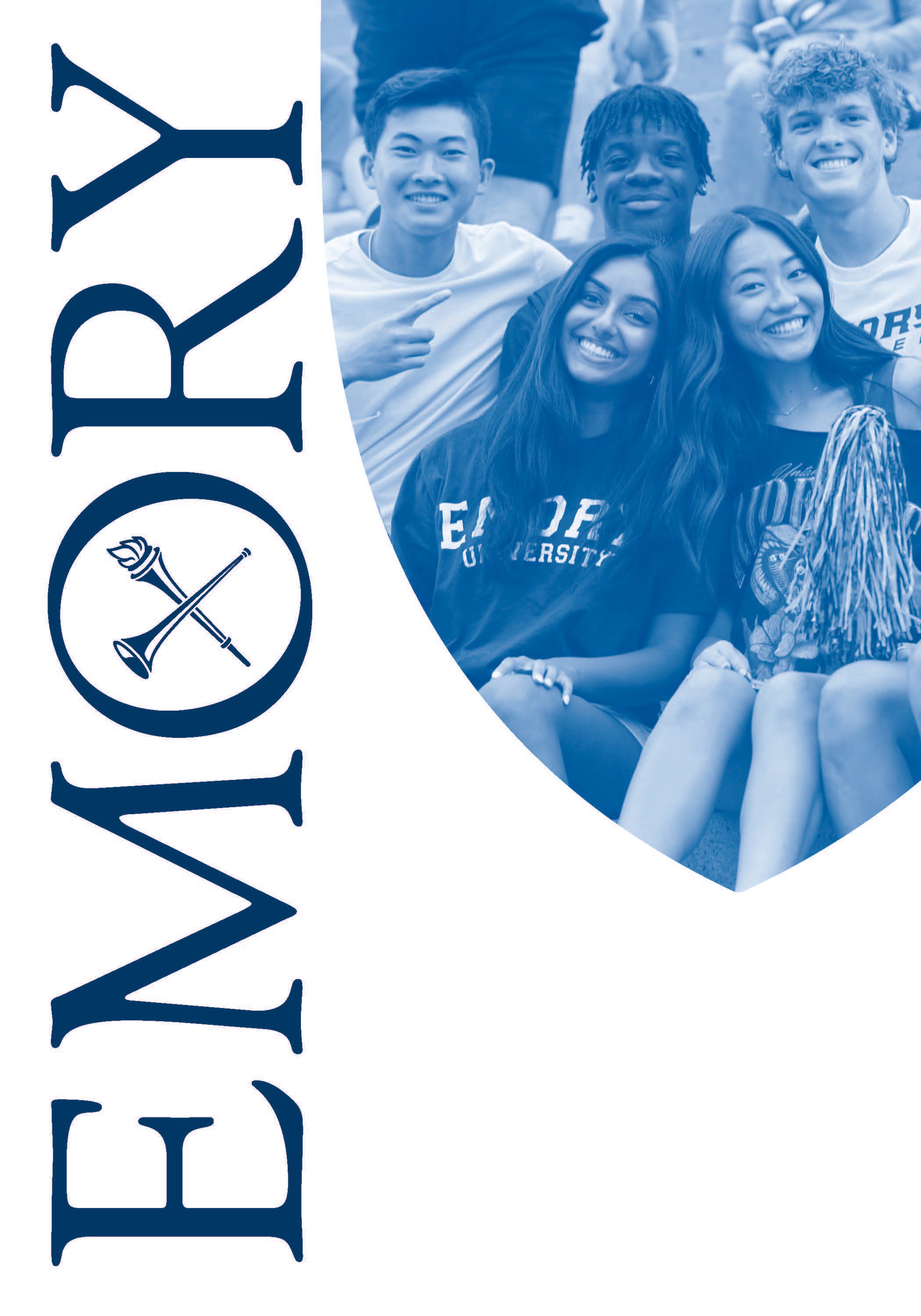
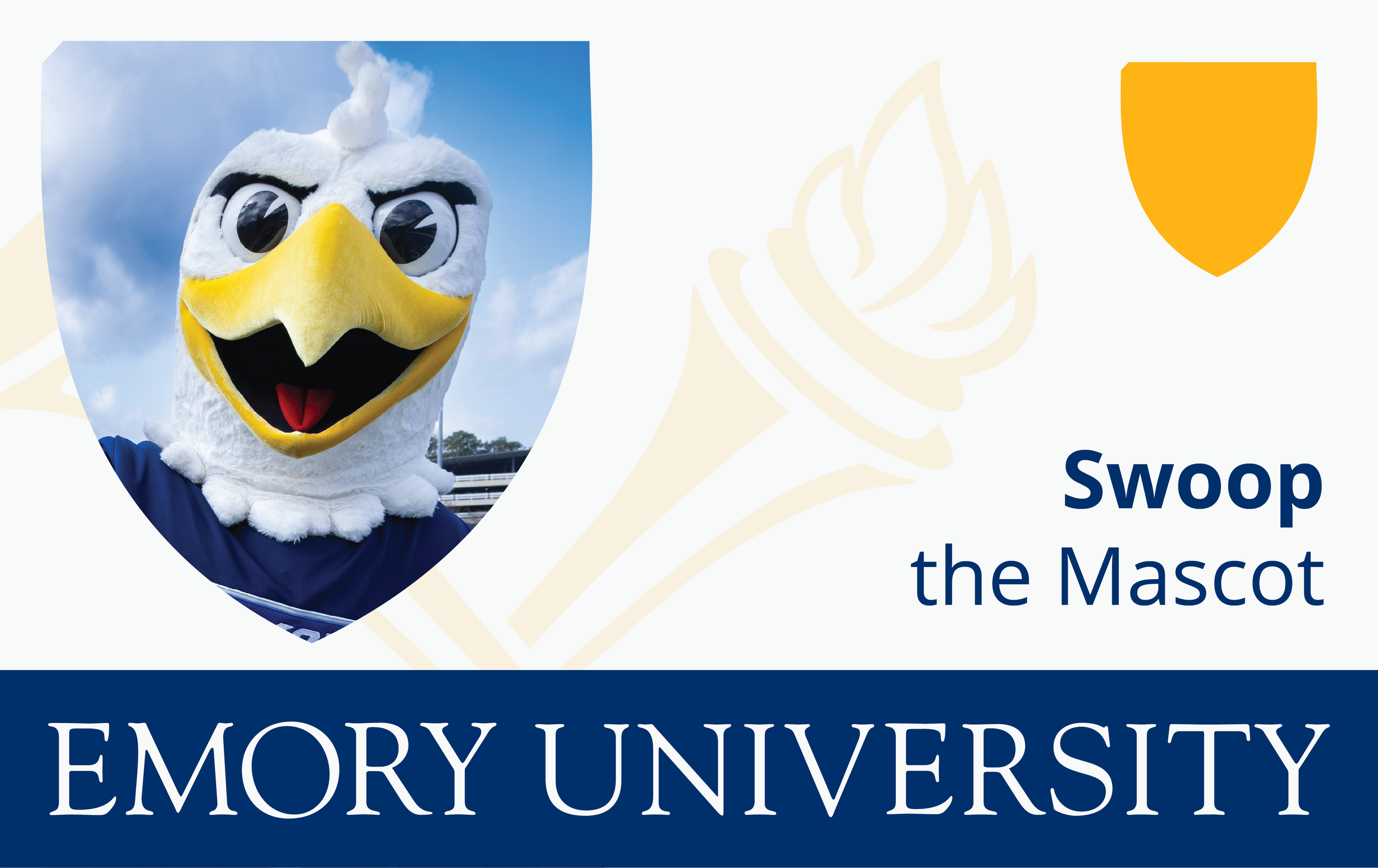
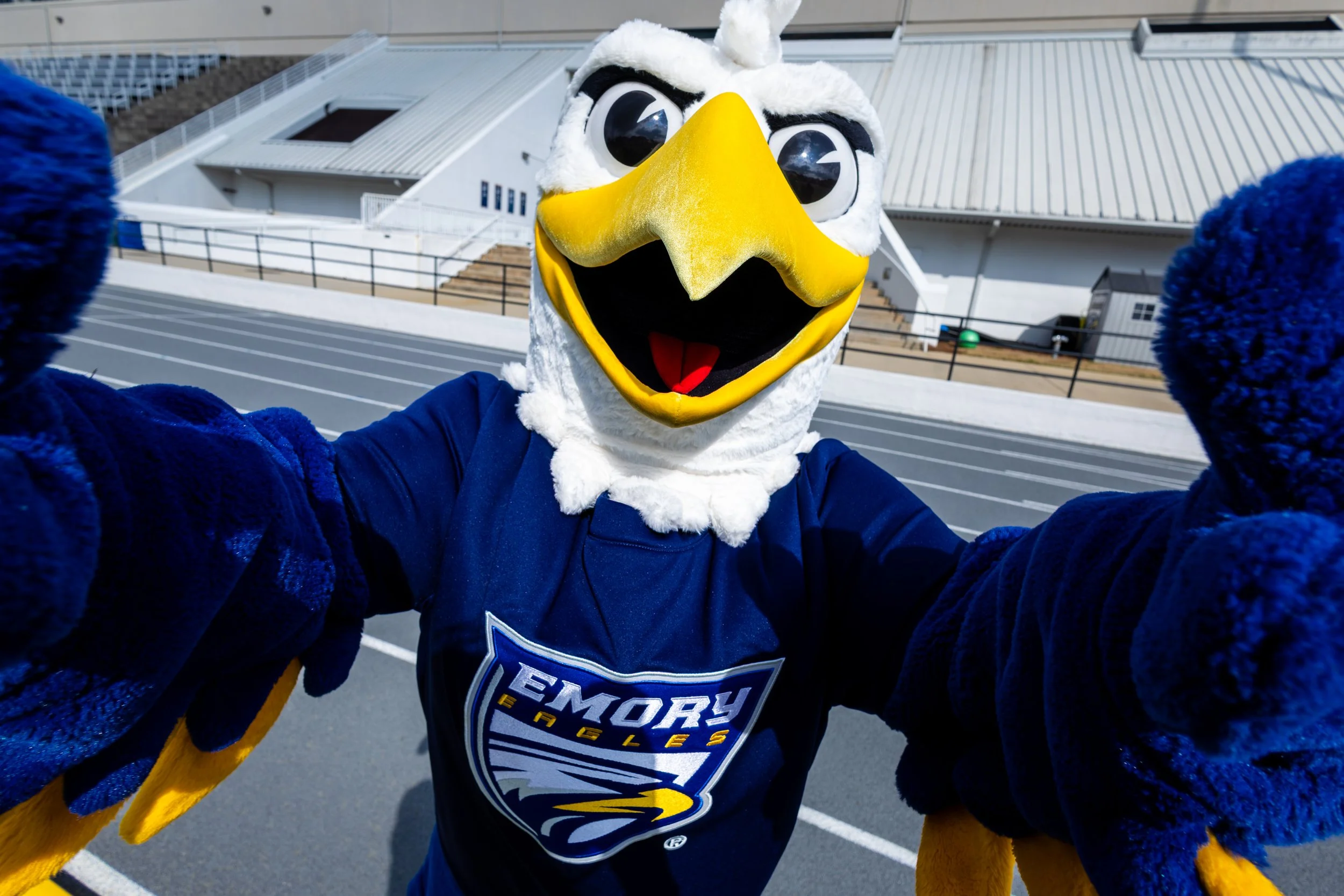

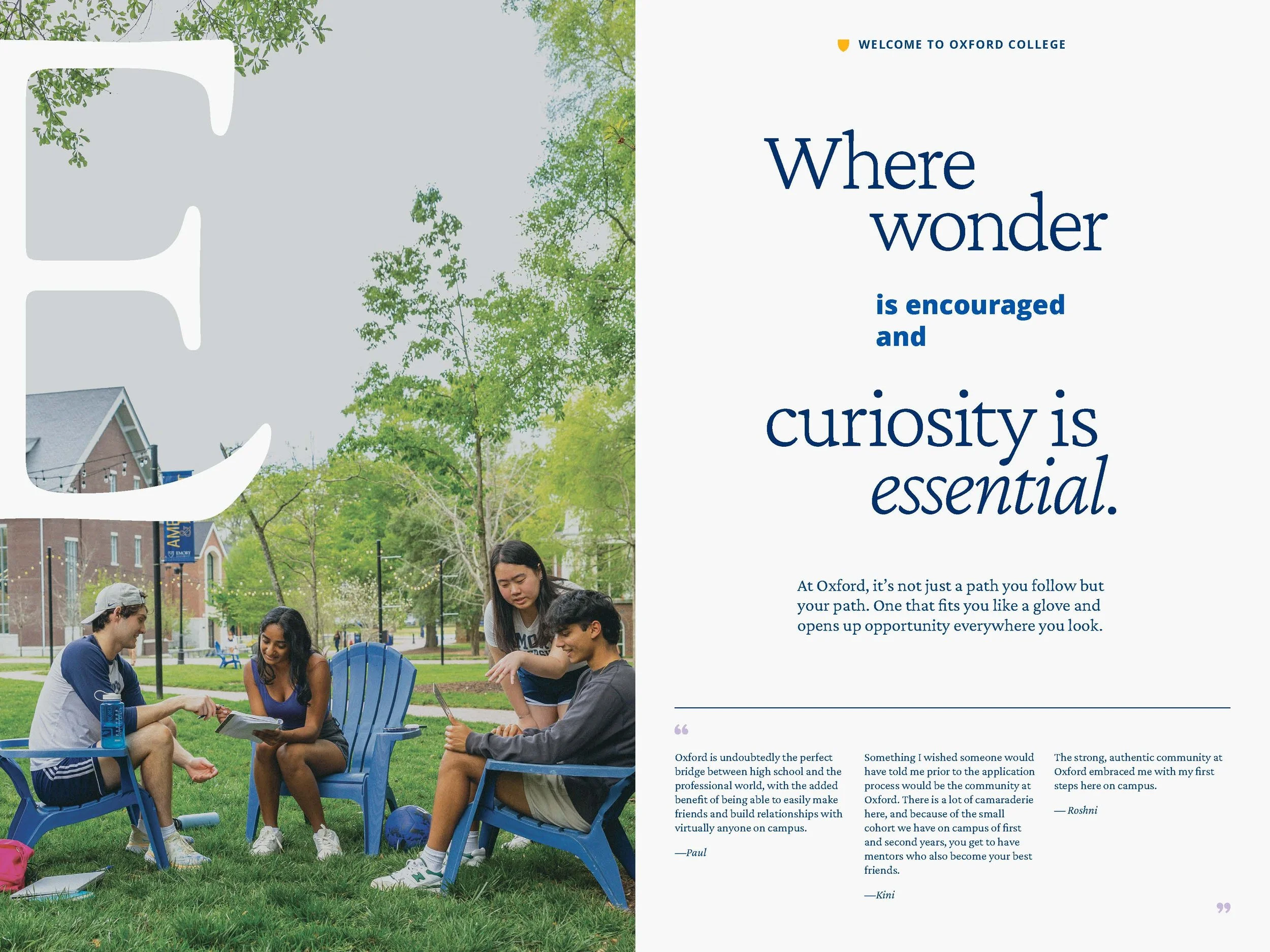
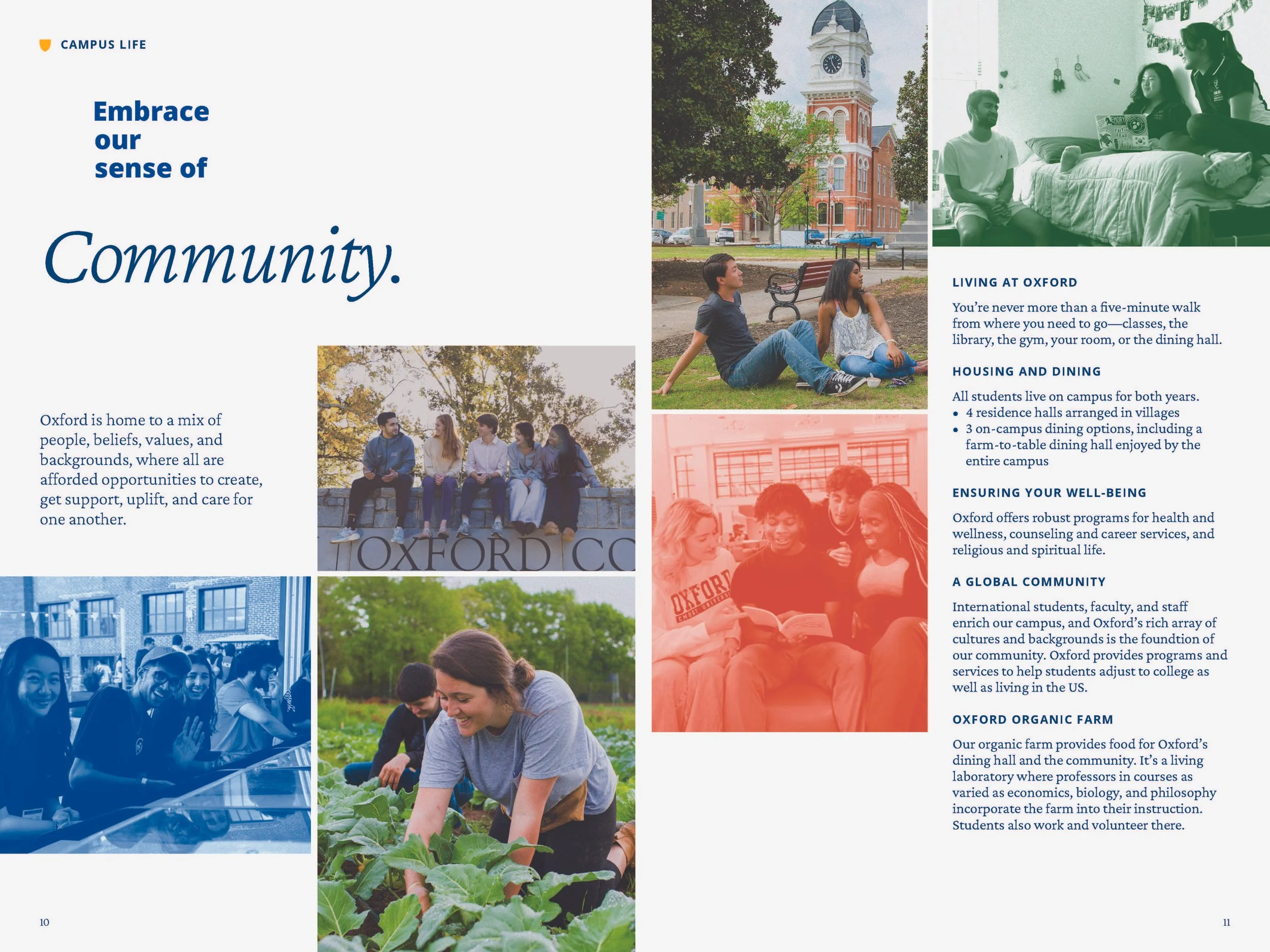
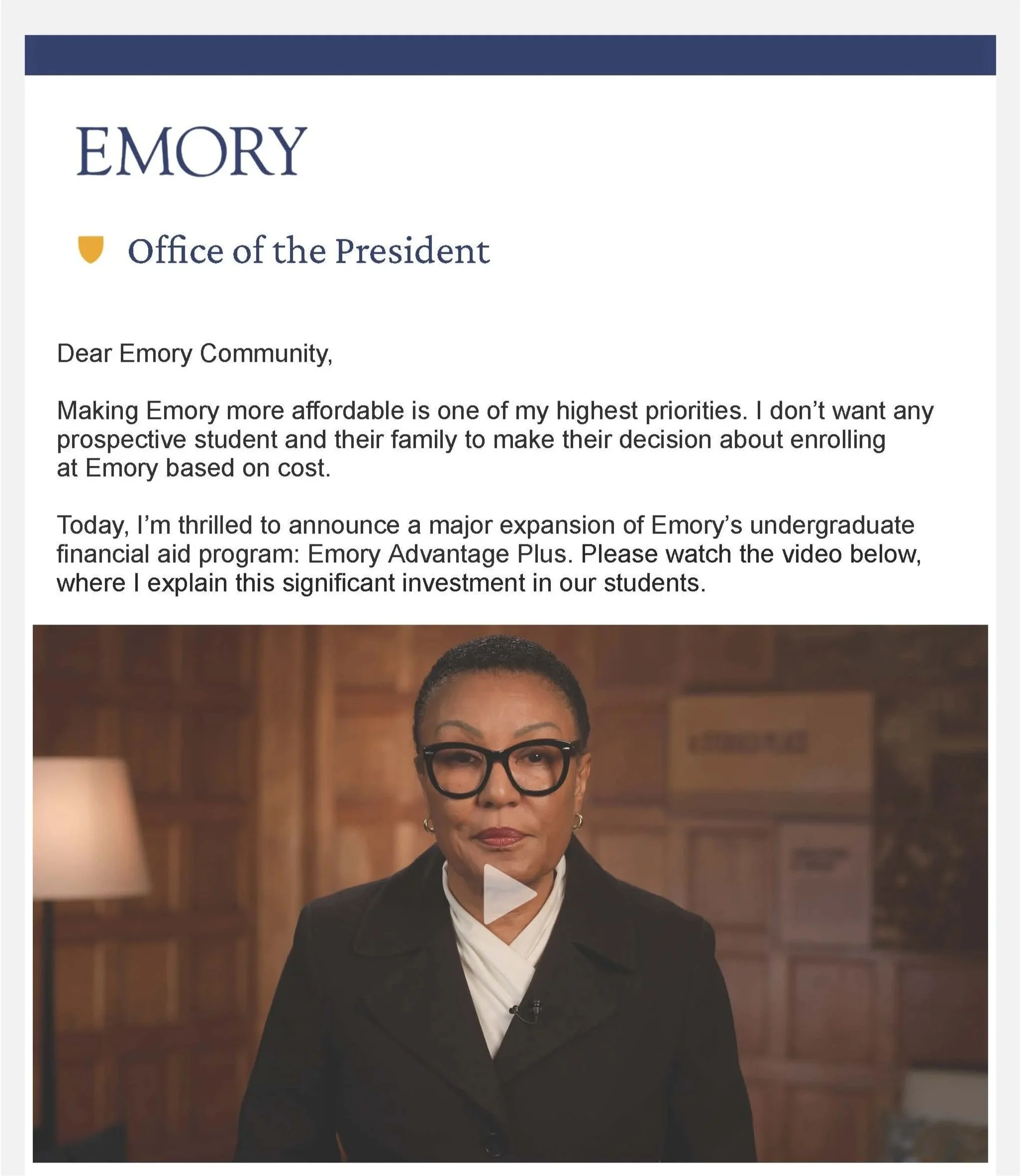
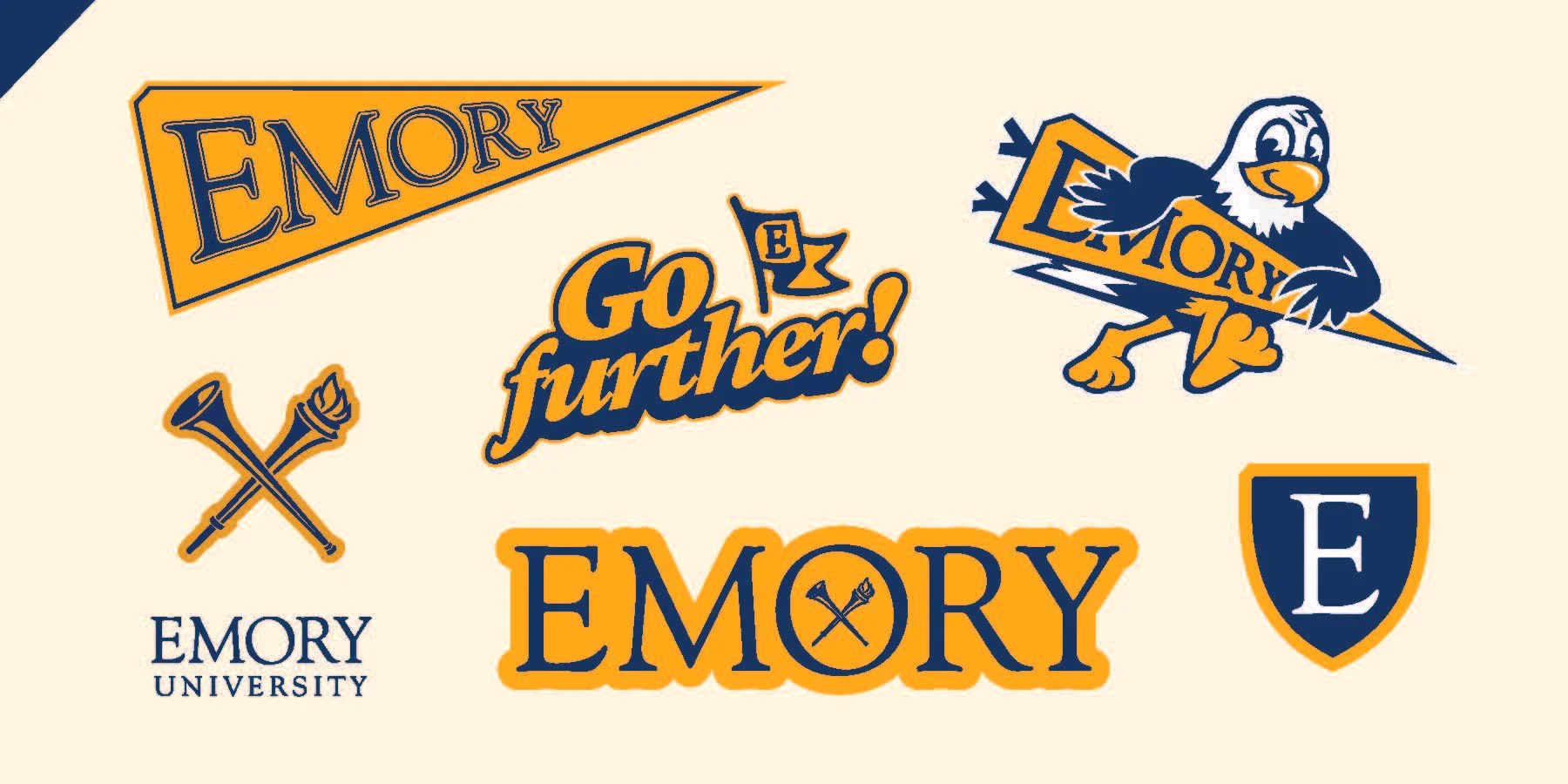
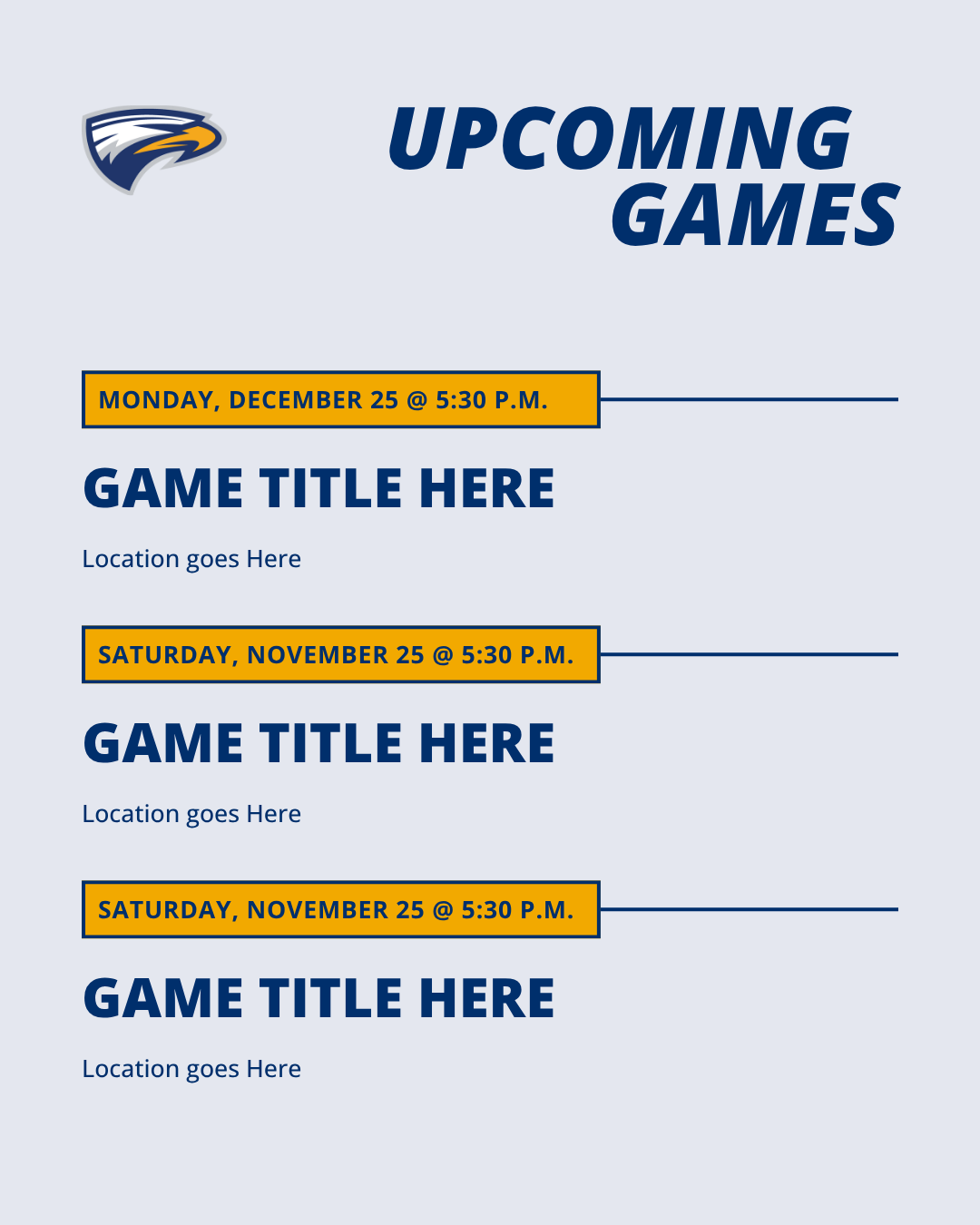
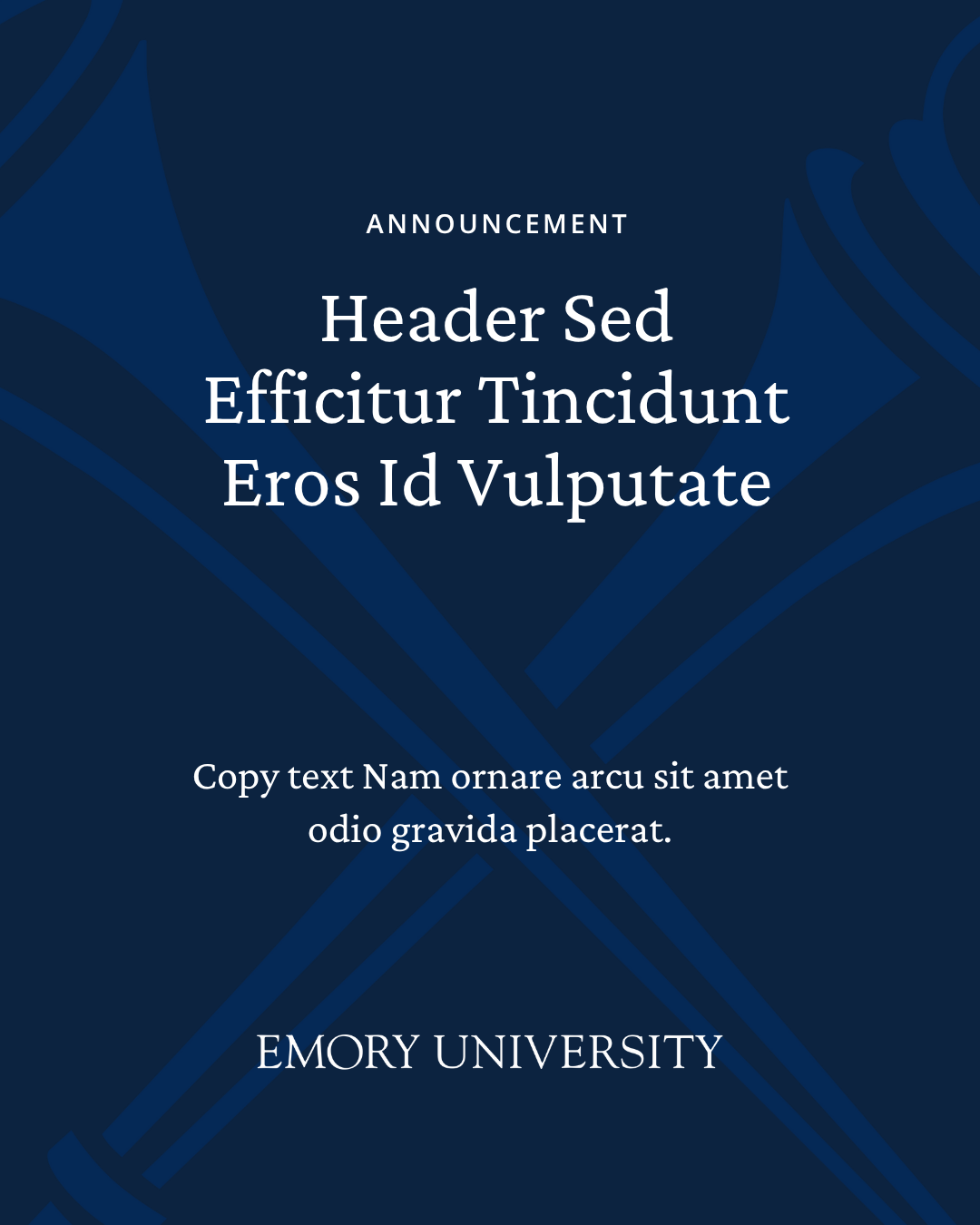
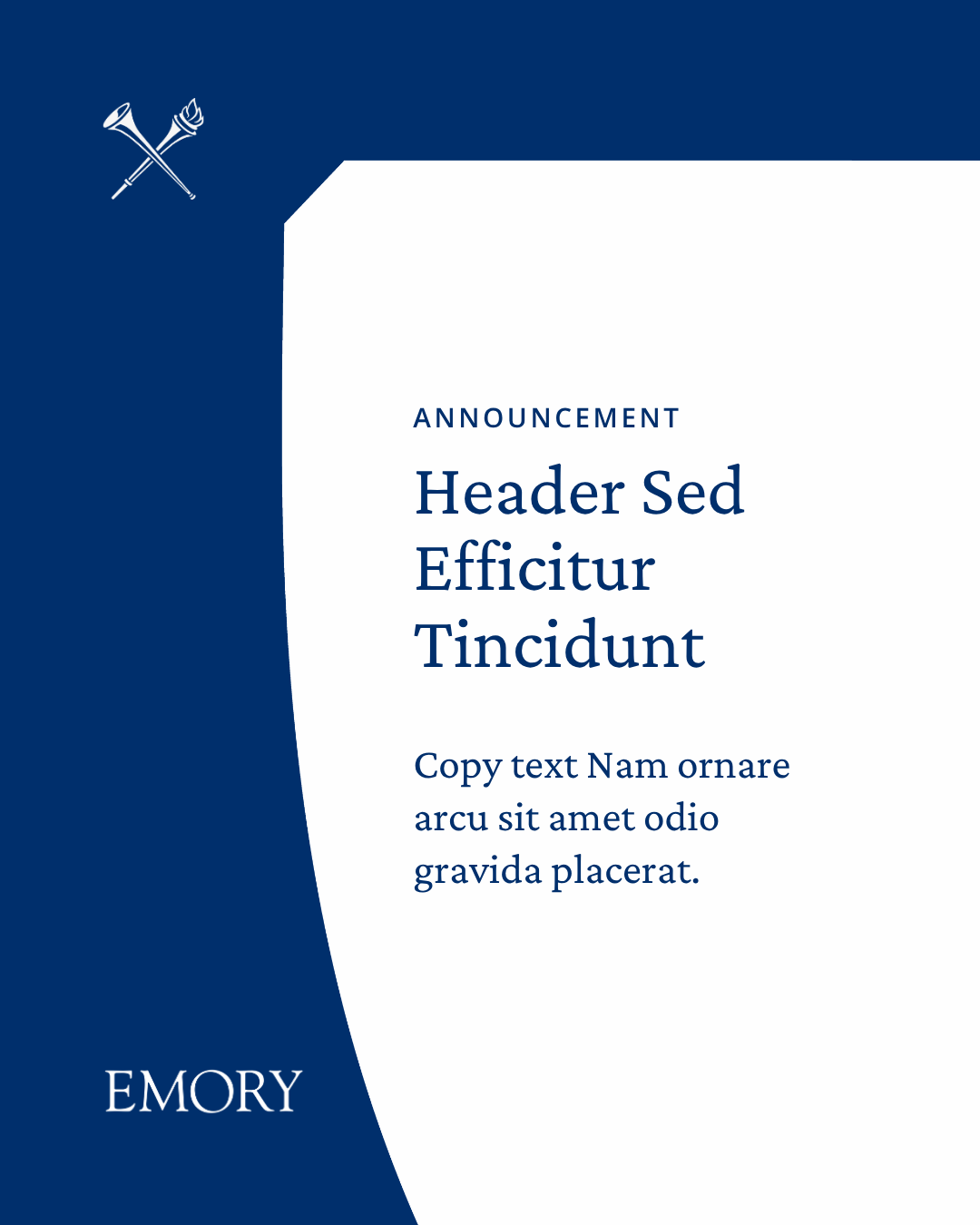
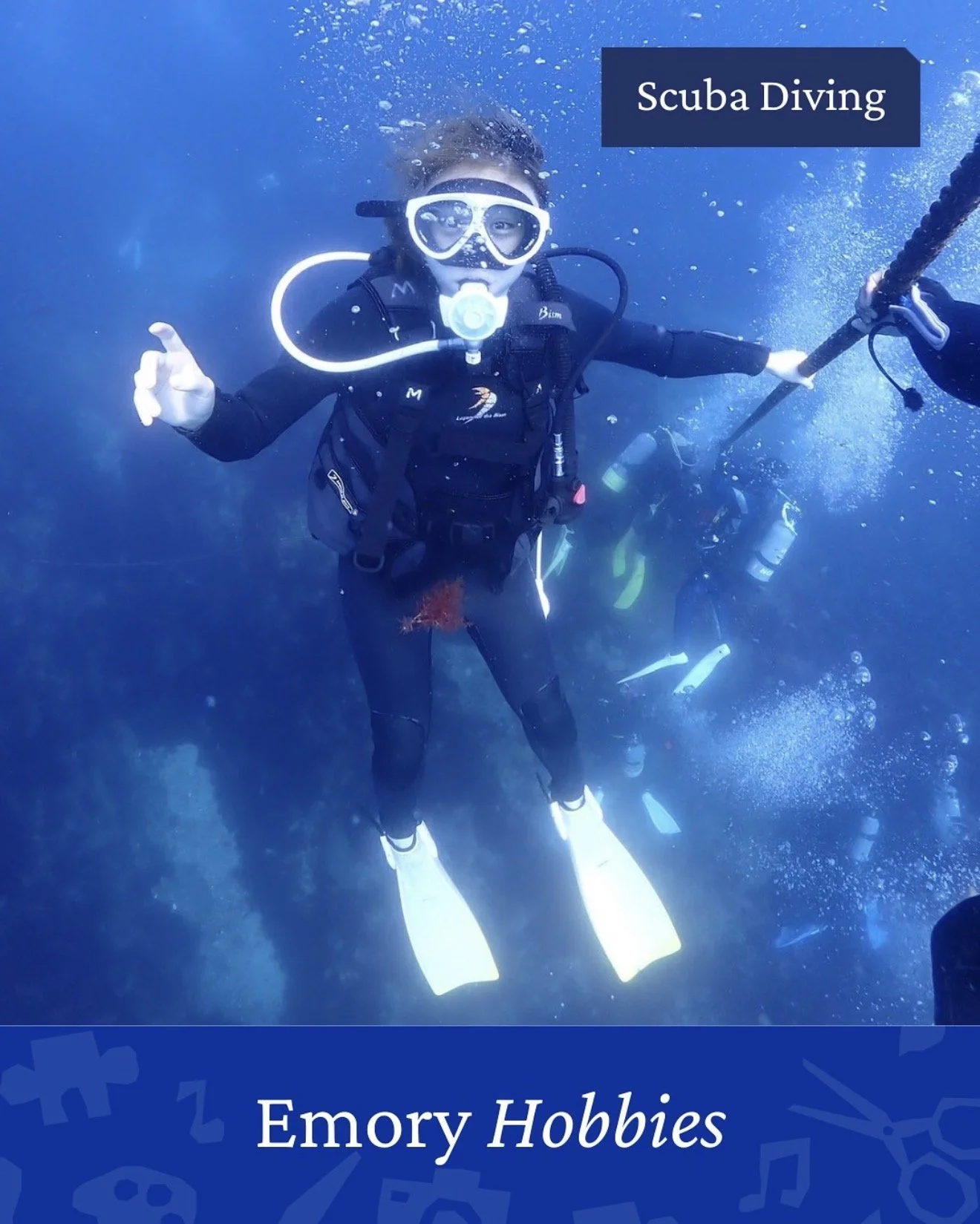
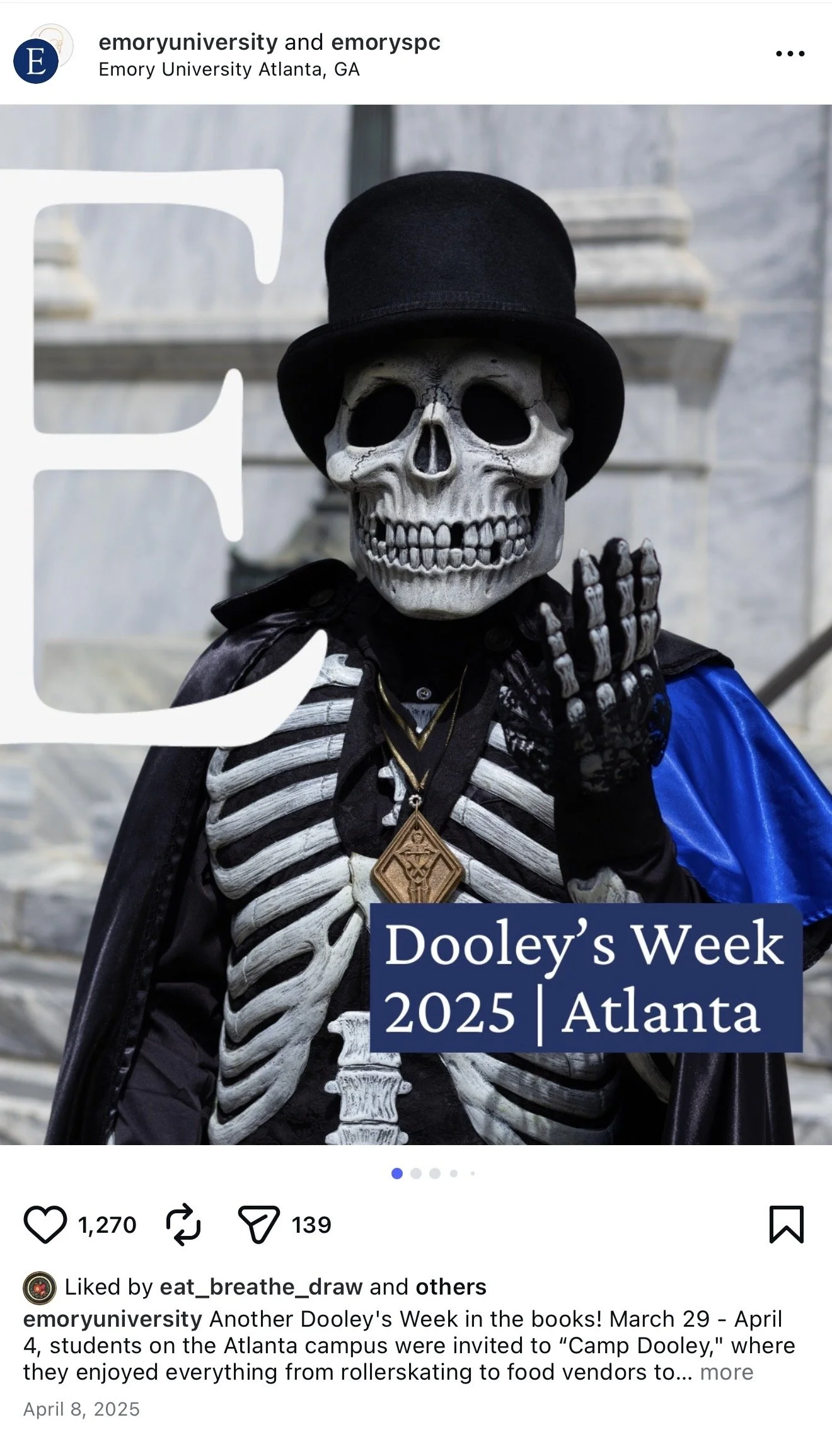
More work coming soon.
The part that doesn't show up in a deliverable
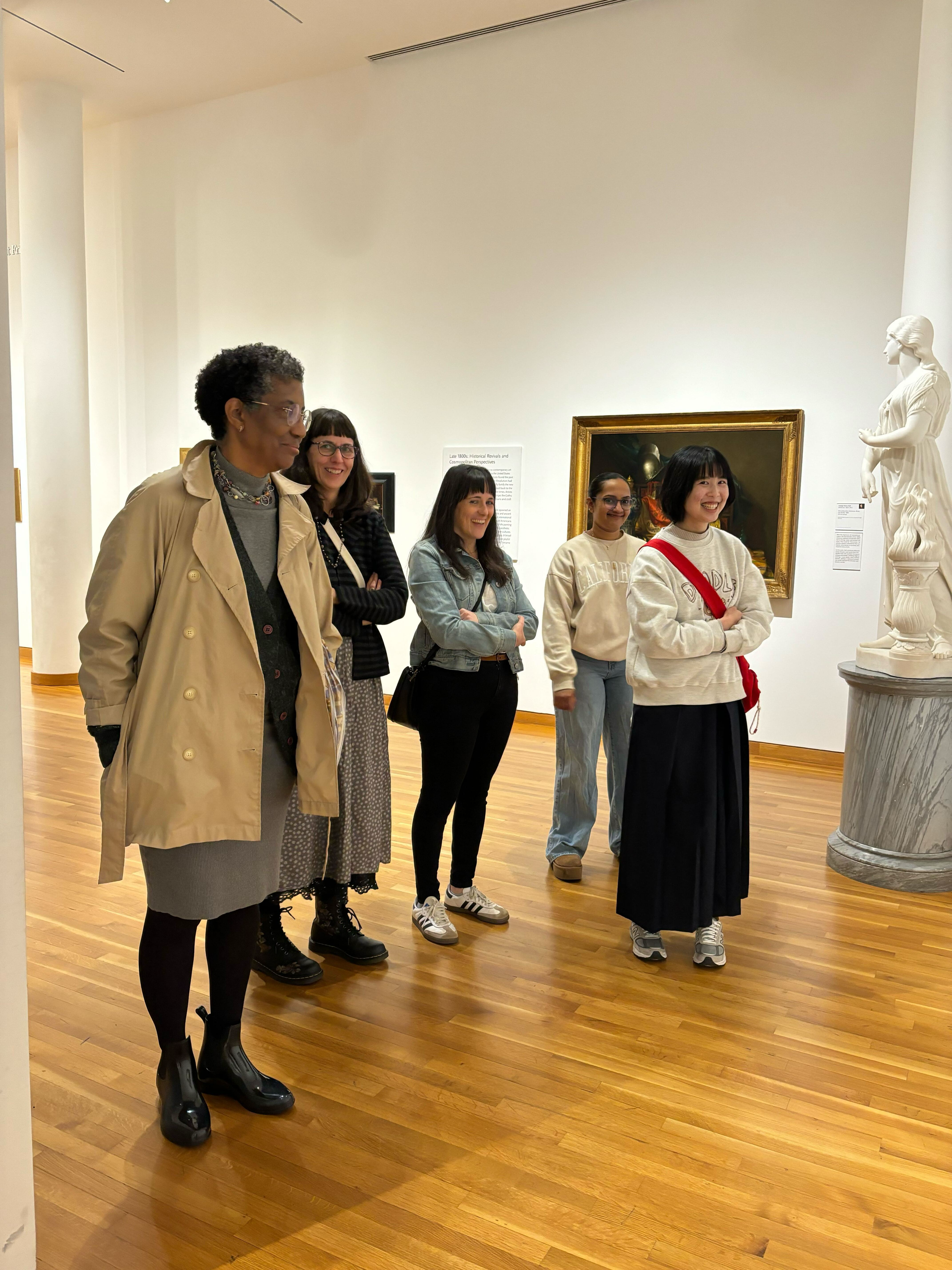
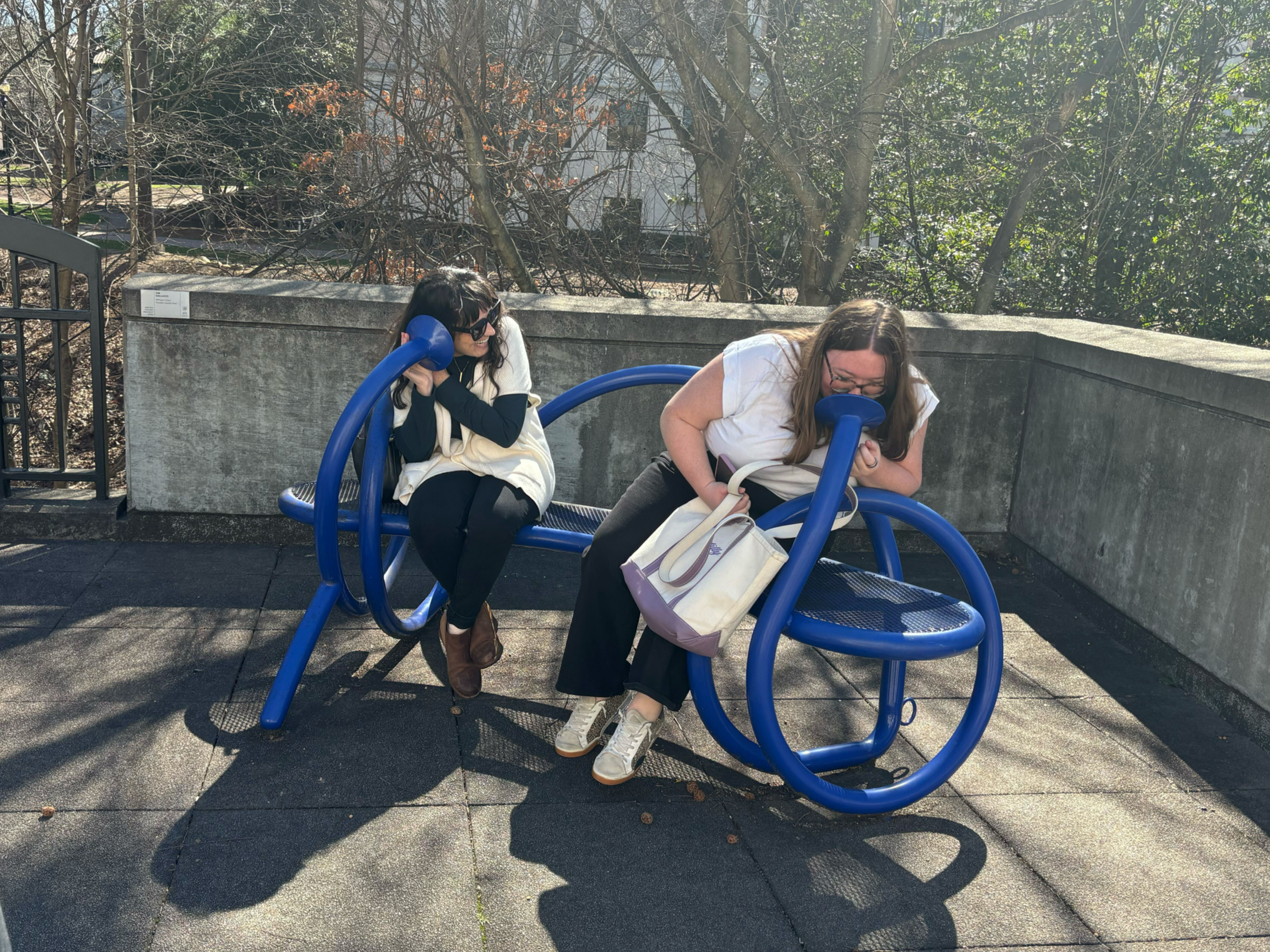
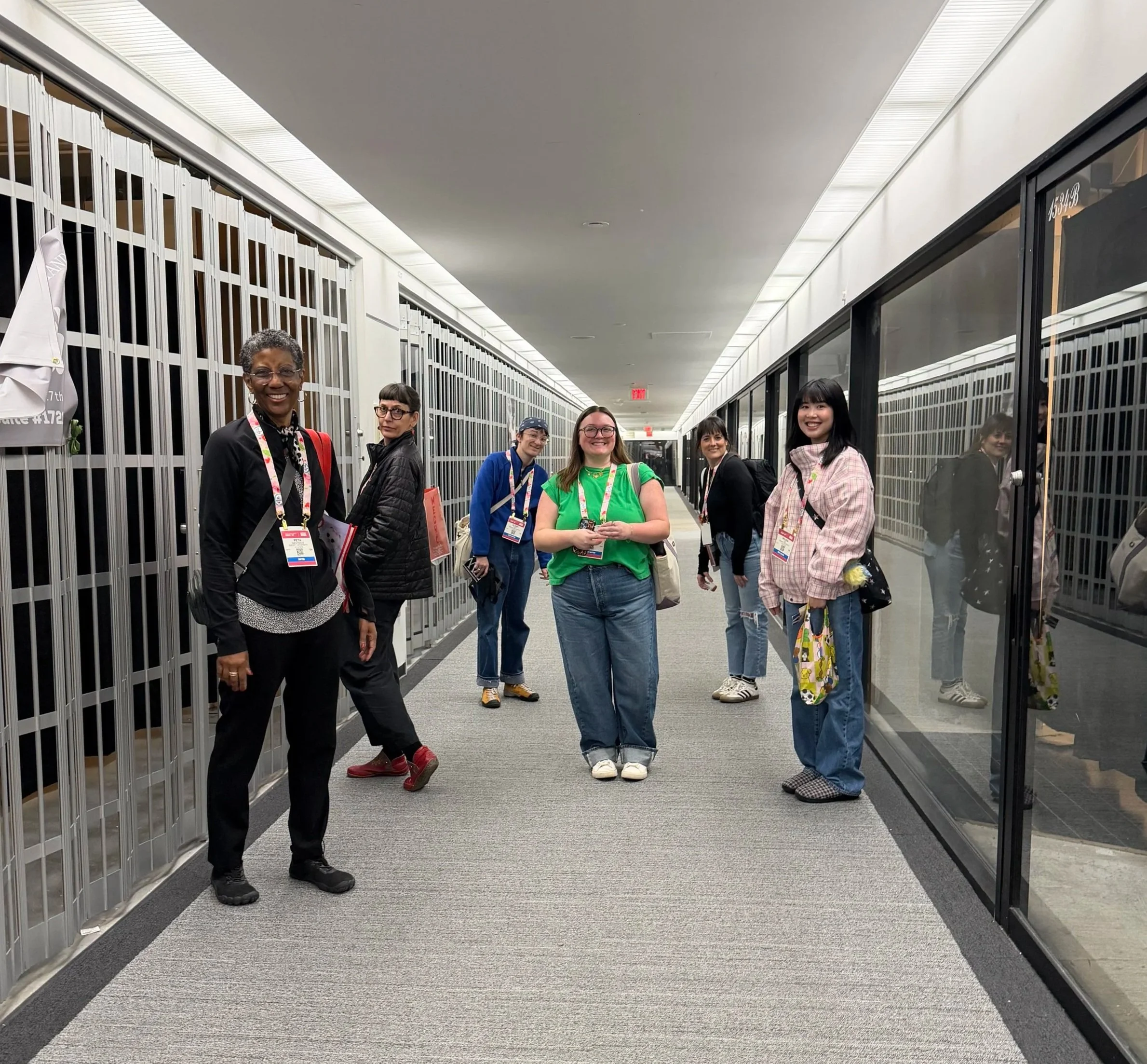
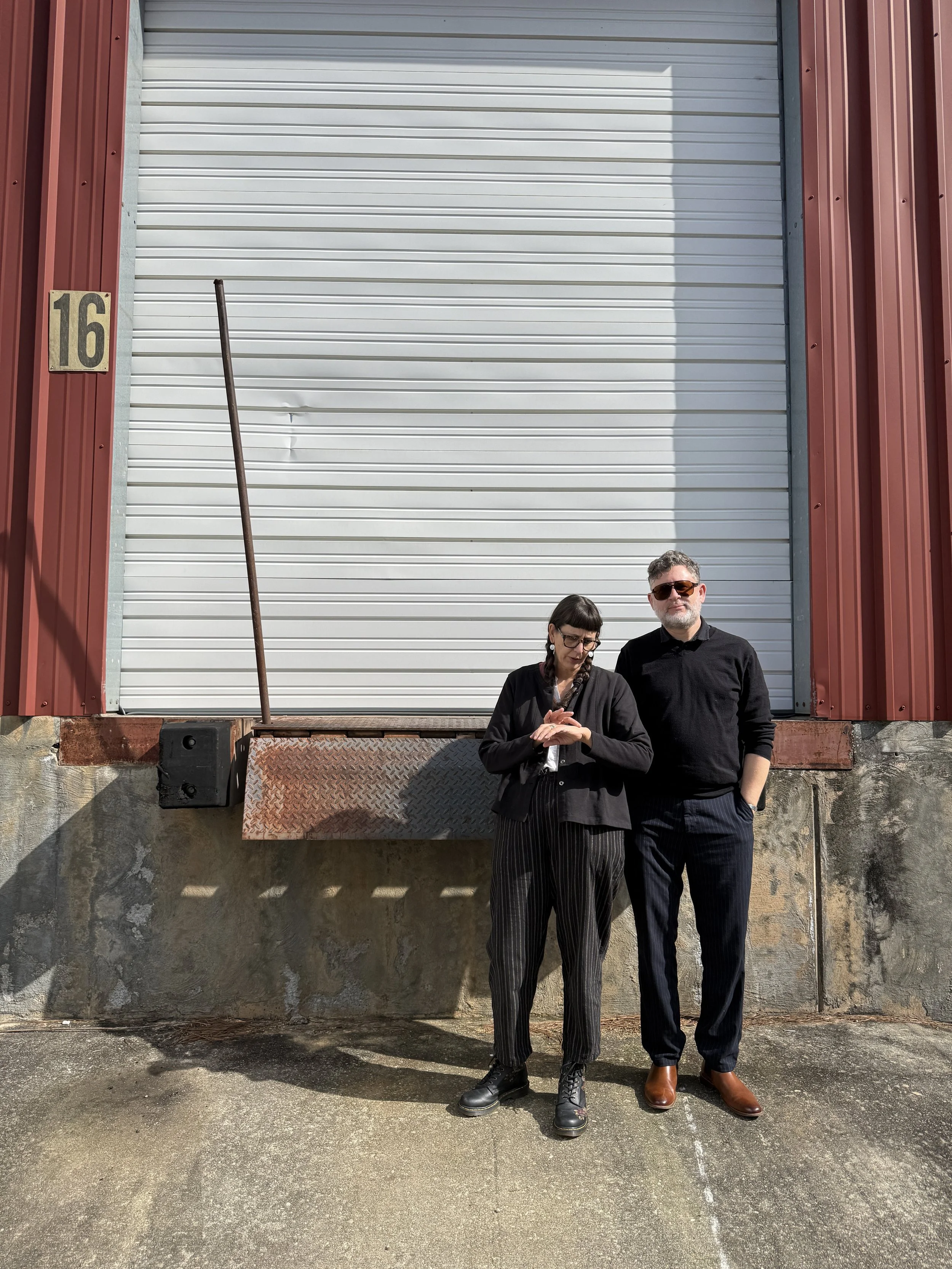
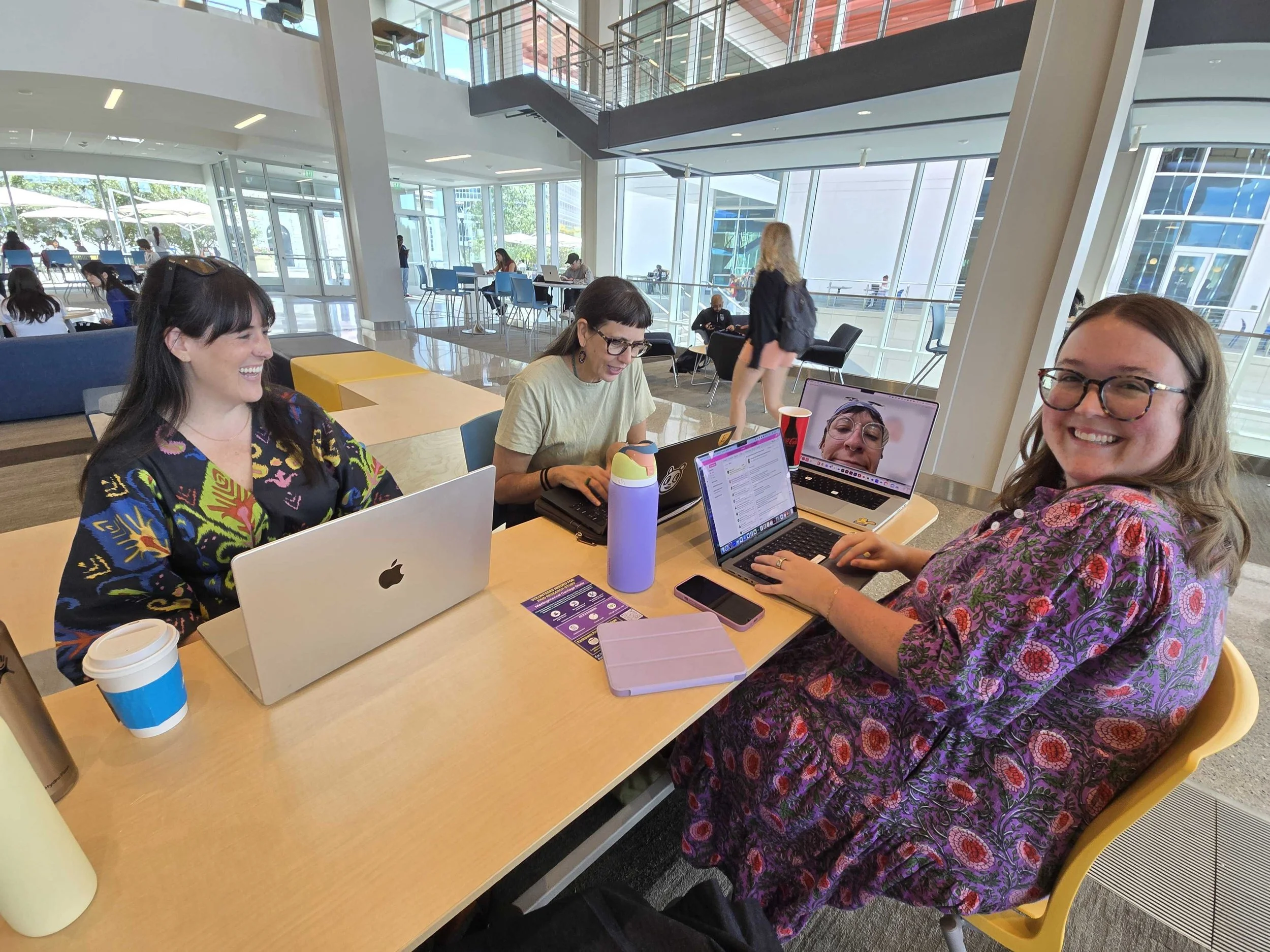
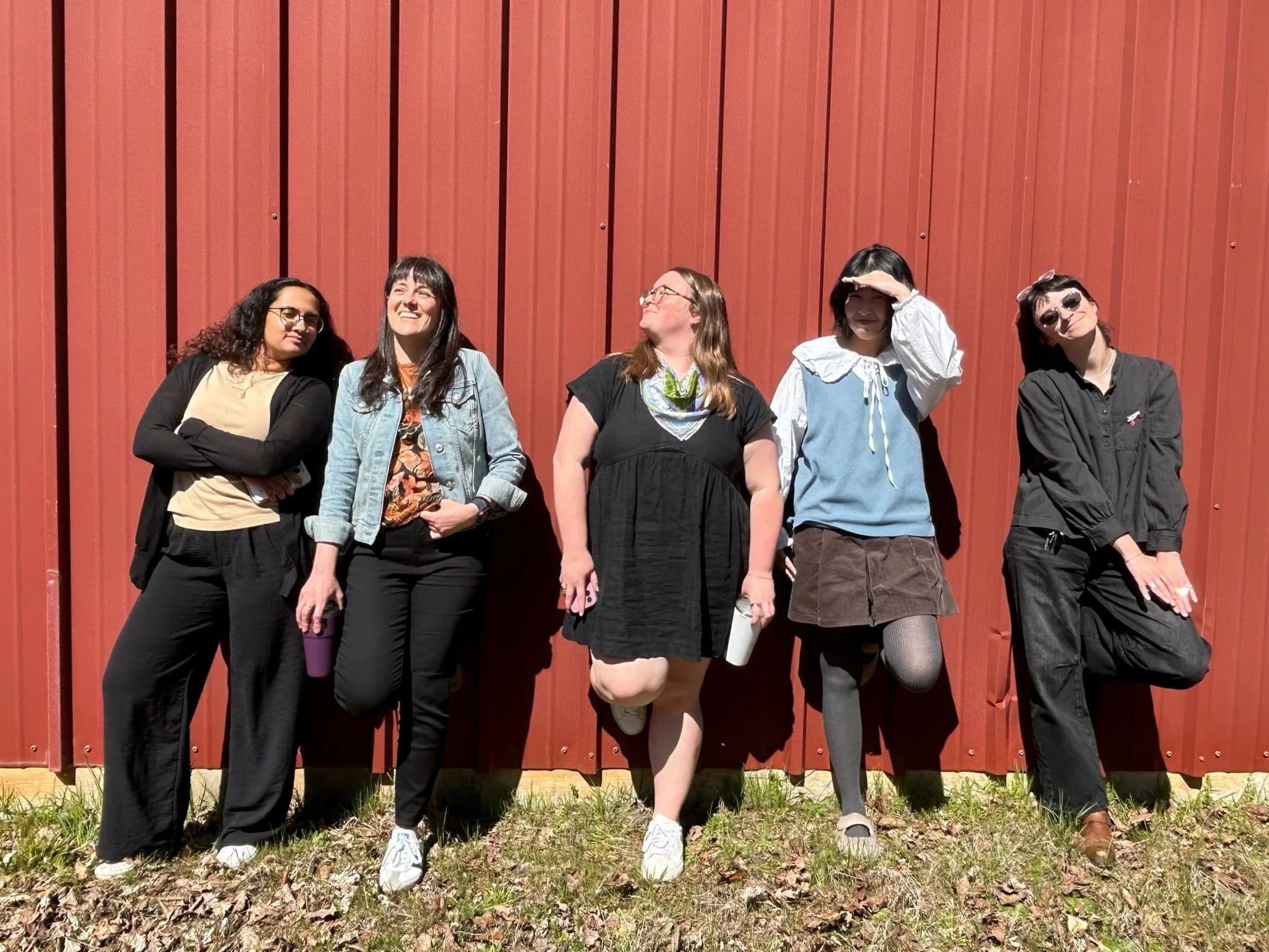
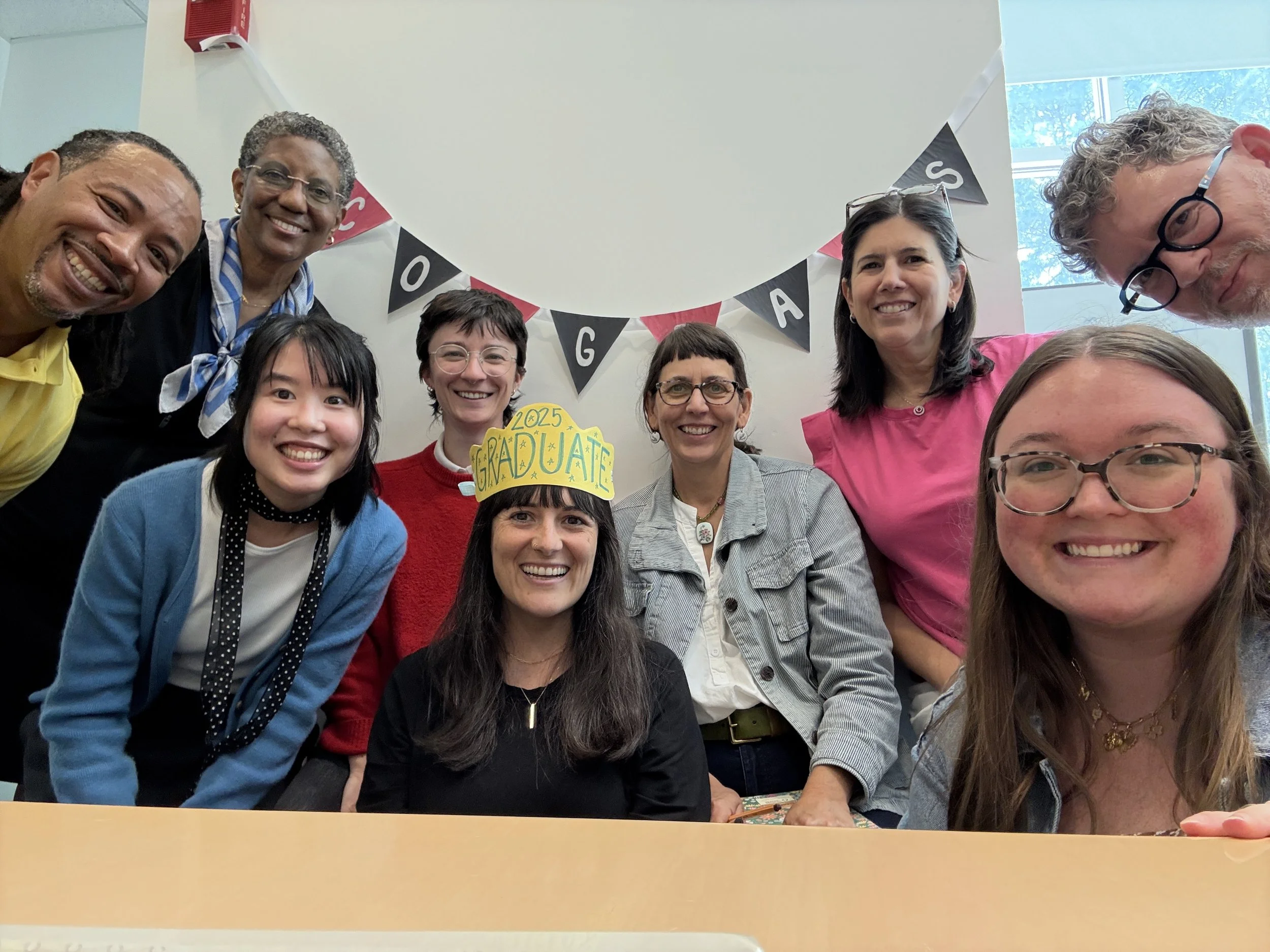
The rest of the division has had a hard couple of years. My team has not. We plan creative excursions together. We work offsite at coffee shops by choice. We built a dedicated workspace in the office, Designer Alley, that nobody has to use but everyone prefers. We have conversations that are robust, a little loud, completely genuine, and so so silly. We have fun at the same time as having hands-on design conversations.
I didn't mandate any of that. I just made it possible.
But culture isn't the only thing that doesn't show up in a deliverable. So does the thinking that quietly changes how a team operates.
I've been integrating AI tools into how we work. Not as a shortcut but more as a way to free the team up for the thinking that actually takes a human. Think the big idea, the gut call, or the thing that makes the work feel like something. And I've held biweekly meetings with the social media team (a group that operates under a different department) because the opportunity to elevate the university's creative presence felt like a shared goal worth showing up for regardless of org chart lines.
Other teams notice all of this. They can't quite replicate it, and I think that's because culture and curiosity aren't perks you install. They're byproducts of trust, clarity, and giving people work that means something. That's what I'm most proud of at Emory. Not the buses, though seeing the buses we designed drive around campus is pretty great.
A closing thought on the process
I was brought in to finish a brand refresh and elevate a team that was burnt out and not advocated for. What I actually did was build the team, the systems, and the creative confidence that will outlast my tenure - whatever comes next. The logo architecture I'm building right now will serve Emory for many years. The designers I've mentored will carry their curiosity into every role they hold after this one.
